Most wind instruments make you work before they reward you. The Cherokee flute is different: blow gently into the mouthpiece, cover the holes and you can often produce a clear, warm note surprisingly quickly, with no music reading or complicated embouchure to master. This guide covers how the flute works, choosing your first instrument, producing your first notes, playing melodies and caring for it after use.
What Is a Cherokee Flute?
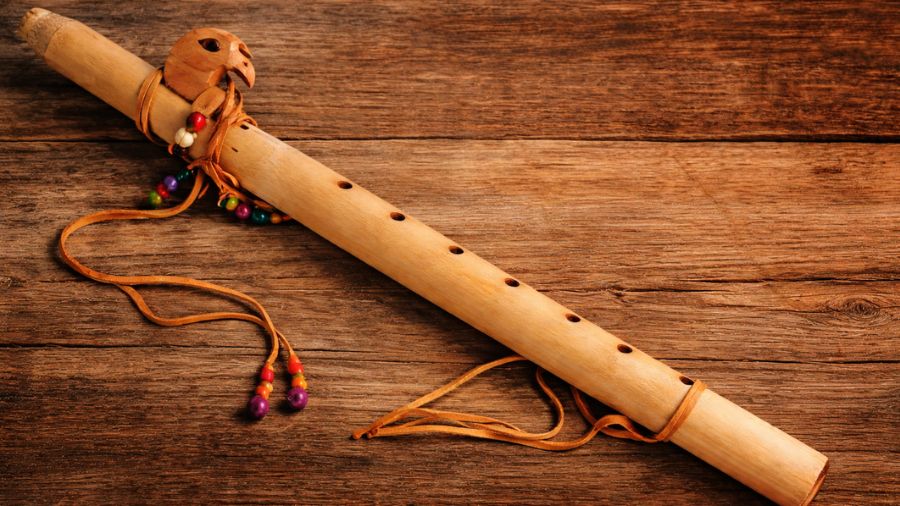
A Cherokee flute is a wind instrument with six finger holes and a mouthpiece you blow directly into rather than across. A small block near the mouthpiece channels your breath towards the sound-producing edge, making it easier to produce a clear note than on many transverse flutes. Although beginner-friendly, breath pressure, articulation, fingering and ornamentation give you plenty of control over the character of the sound.
How Does a Cherokee Flute Work?
When you blow into the mouthpiece, the air is channelled towards the sound-producing area beneath the block tied to the flute. The position of this block matters: if it moves too far and exposes the wrong openings, air can escape rather than being directed correctly, resulting in a weak, airy sound or no proper note at all. On an adjustable design, gently repositioning the block so the correct opening is covered while leaving the necessary sound-producing gap can restore the tone. Once sound is produced, covering and uncovering the finger holes changes the effective length of the vibrating air column and therefore the pitch.
What Does a Cherokee Flute Sound Like?
Known for its warm airy sound that works particularly well for slow melodies. Too little air can create a weak or excessively airy note, while blowing too hard can make the sound harsher or push the pitch higher. Controlled airflow produces a clearer stable tone. Experienced players can deliberately vary their breath, note lengths and fingering to give melodies character.
Are Cherokee Flutes Tuned Instruments or Decorative?
Cherokee flutes are playable tuned musical instruments rather than simply decorative objects, although their handmade bamboo construction, bindings and decorative details can make them visually interesting. The tuning, scale and available notes depend on the individual flute, so check its specifications if you intend to play alongside other instruments or recordings. Their sustained notes, breath-controlled dynamics and suitability for slow improvisation also make them popular for relaxed solo playing, meditation and relaxation, where the focus can be placed on breathing, tone and the space between notes.
Is the Cherokee Flute Easy to Play for Beginners?
The Cherokee flute is relatively beginner-friendly because producing a basic sound does not require the precise embouchure associated with many transverse flutes, and you do not need to read music to begin experimenting with melodies. You may be able to produce clear notes during your first practice session once you learn to control your breath and completely seal the finger holes. From there, progress comes from developing a consistent tone, smooth note changes and accurate breath control before moving on to faster melodies and expressive techniques such as ornamentation.
What to Expect Early On
Many players produce a clear, steady tone in their first session or two. With short, regular practice, the early work is controlling long and short notes, getting the tremolo effect going, moving between notes cleanly and starting to piece together a simple melody. Progress varies from person to person, but the instrument tends to reward beginners sooner than most, which is a large part of why people stay with it.
Learn to Play the Flute

The Complete Flute Player takes you from the fundamentals of producing a clear tone through fingering, breath control, rhythm and playing techniques, with practical exercises and songs to develop your playing.
Download The Complete Flute Player →
How to Play the Cherokee Flute
Hold the flute comfortably with both hands, supporting it with your thumbs while your index, middle and ring fingers cover the six holes with their pads. Avoid gripping tightly and make sure each hole is completely sealed, as small gaps are the usual cause of weak or unstable notes.
How to Produce Your First Sound

Place your mouth over the mouthpiece, create a comfortable seal and blow a gentle, focused stream of air. Adjust your breath until the note is clear and stable; too little air sounds weak or airy, while too much can make the tone harsh or raise the pitch. For cleaner note attacks, lightly tongue the airflow as if forming a “tu” sound, giving you greater control over rhythm and articulation.
What If Your Cherokee Flute Makes No Sound?
First check your breath and finger coverage. Make sure the mouthpiece is sealed comfortably, use a steady stream of air and ensure every finger hole you intend to close is completely covered. If the flute remains unusually airy or produces little more than rushing air, inspect the adjustable block near the mouthpiece. On the flute demonstrated in our tutorial, moving this block too far exposes openings that allow the air to escape before it is directed across the sound-producing edge. Carefully returning it to its correct position restores the airflow path.
How to Play Notes on the Cherokee Flute

The six finger holes control pitch by changing the effective length of the vibrating air column. Start with all six holes completely covered for the lowest note, then uncover them one at a time from the lower end to move upwards, reversing the process to descend. Keep your fingers close to the holes for clean transitions and practise difficult note changes separately. Exact scales and fingerings vary between flutes, so check the information supplied with your instrument for specific notes.

Fingering chart for our A minor pentatonic flute. Circles read from the mouthpiece end on the left; filled circles are covered holes.
Each fingering also has more than one note in it. Blow a little harder and the flute jumps up into a second, higher register, which roughly doubles the range available to you without learning any new fingerings. Those upper notes need a steadier, more deliberate breath to hold cleanly, so they are worth exploring once your lower octave is reliable. It is also why an accidental squeak usually means you are pushing too much air rather than doing anything wrong with your fingers.
Adding Expression and Ornamentation

Once basic note changes are comfortable, you can make melodies more expressive by changing note lengths, breath intensity and fingering. The tremolo technique is achieved by briefly lifting a finger from a covered hole and replacing it, creating a quick ornamental change around the main note. Start slowly so that the movement remains controlled, then experiment with different holes and speeds. Small variations like these can make a simple melody considerably more expressive without requiring complicated technique.
Improvising and Creating Melodies
Improvising is more forgiving on a pentatonic flute like ours than on most instruments. Every note belongs to the same scale, so the notes sit together comfortably in almost any combination and you are unlikely to hit something that sounds plainly wrong. Rhythm, phrasing and note choice still shape whether a melody works, but you can experiment freely without needing to know any theory first.
Start with three or four notes rather than the whole range. Play a phrase, leave a gap, then answer it with another. Vary the length of your notes, let some fade out, add a tremolo here and there. The silence between phrases does as much work as the notes, so resist filling every gap. If you want a fuller sound, play over a held drone or a quiet backing track in the same key as your flute.
How to Play Songs on the Cherokee Flute
Once you can move comfortably between notes, you can begin learning complete melodies. Learn one short phrase at a time rather than attempting the whole piece, slowly enough to keep the tone steady and the finger changes clean, then join the sections together as they become familiar. Slow, simple tunes suit the instrument far better than fast ones, so there is no rush to play anything quickly.
Caring for a Bamboo Cherokee Flute
After playing, tip the flute downwards and give it a firm blow to clear moisture from the sound hole, then leave it somewhere airy to dry before storing it; if the tone goes dull mid-session, that is usually moisture rather than your technique. Keep it out of direct sunlight, away from radiators and out of damp rooms, as rapid swings between hot and cold are what cause bamboo to crack. Handle the block gently, because it is tied in position and knocking it out of place is the most common reason a flute suddenly stops sounding.