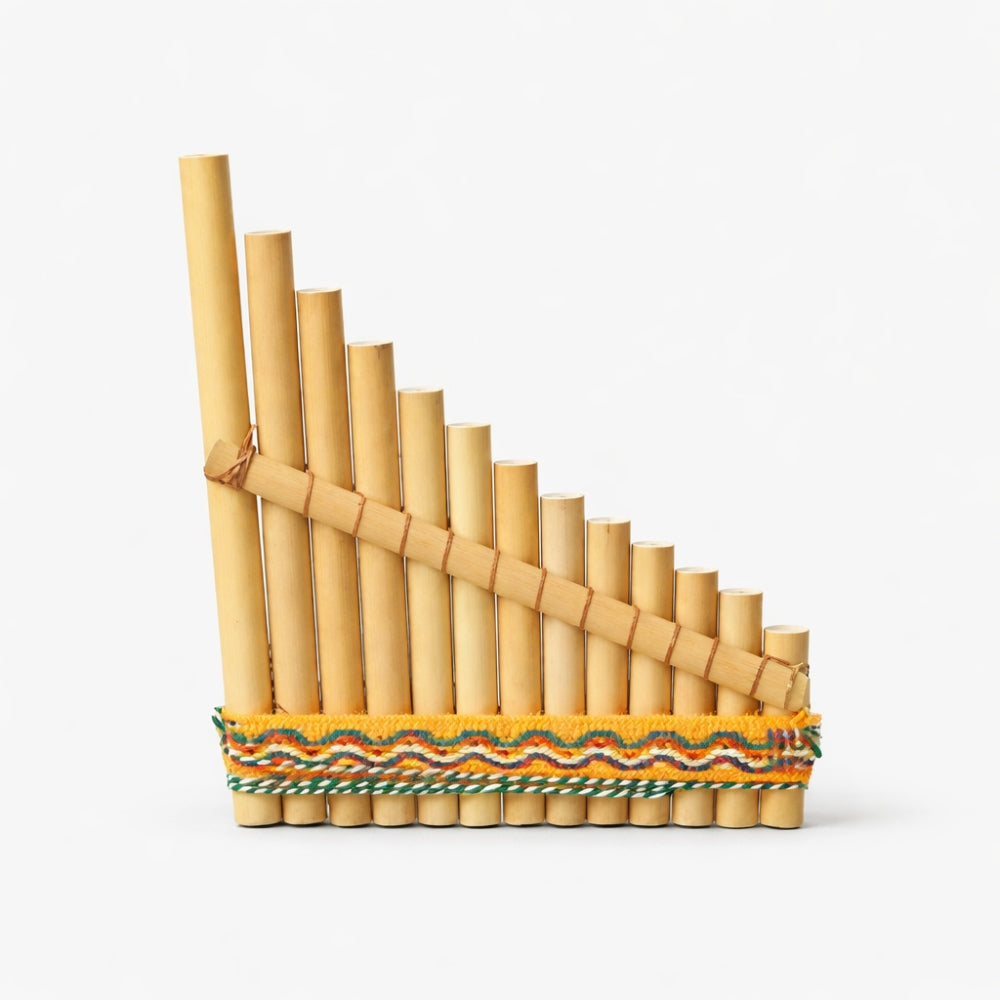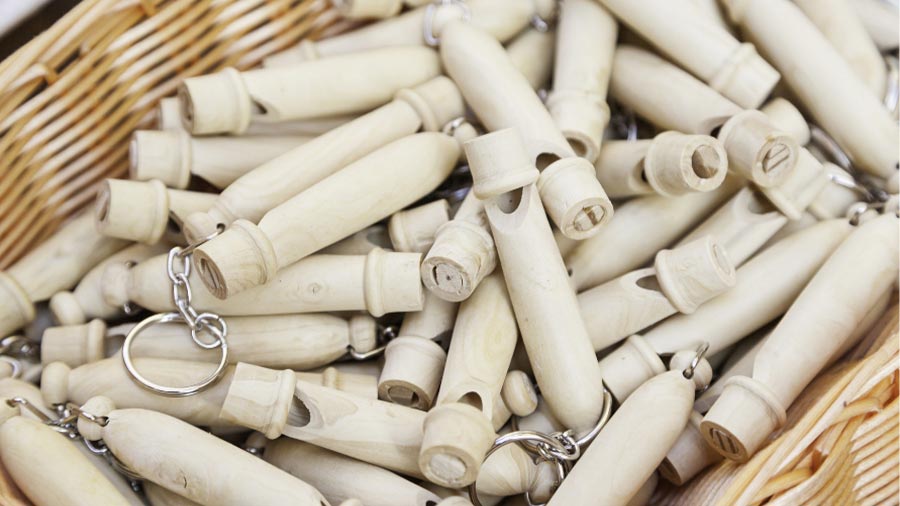
Whistles have been used for thousands of years for communication and sound, evolving into both practical tools and musical instruments. A whistle is a compact wind instrument that produces sound when air is blown through a narrow opening, often using a fipple or edge. Made from materials such as metal, plastic, wood, or bone, whistles are used in music, sport, and safety. The tin whistle—also known as the penny whistle—is especially associated with Irish and Scottish folk music, recognised for its bright, high-pitched tone heard in jigs, ballads, and film soundtracks.
The History and Cultural Role of Whistles
Whistles have been used for over 5,000 years across cultures for communication, coordination, ritual, and authority. Early whistles made from bone, clay, or reed appeared in ancient China, Mesoamerica, Greece, and Rome, where they were used by shepherds, soldiers, and in ceremonies. Before radio communication, whistles enabled battlefield commands, and during the Industrial Revolution they became essential for organising labour and signalling transport.
By the medieval period, whistles had also evolved into musical instruments within European folk traditions. The modern metal whistle, developed in England by Joseph Hudson in 1883, later became standard in policing and sports officiating and whistles continue to be symbols of authority, rhythm, and collective action.
Whistles in Traditional and Modern Music
Whistles are widely used in both traditional and modern music for their bright, piercing tone and portability. In traditional music—especially Celtic styles from Ireland and Scotland—the tin whistle plays a central role in jigs, ballads, and dance music, and is well suited to outdoor festivals and ceremonies. In contemporary music, whistles appear across folk, pop, world music, and film scores, adding an expressive and recognisable sound heard in productions such as Titanic, Braveheart, and Local Hero by Mark Knopfler. Groups like The Chieftains and The Dubliners helped popularise the tin whistle worldwide, while slide whistles are often used for playful effects in comedy and children’s music. Whistles remain a voice in traditional music, popular culture, and modern sound design.
Making Music with a Whistle
Making music with a whistle starts with understanding its tone, range, and playability, as different whistles produce different sounds. The tin whistle, widely used in Irish music, has a bright, clear tone ideal for jigs and reels, while the low whistle offers a warmer, more resonant sound suited to slower melodies and ballads. Learning basic breath control, finger placement, and timing is essential, and beginners can benefit from tutorials, sound samples, and practising popular or traditional tunes. From simple melodies to instrumental performances or film-style backgrounds, the whistle is a compact instrument that supports a wide range of musical styles.
Choosing the Right Whistle (Buying Guide)
Choosing the right whistle depends on how you plan to use it—whether for music, signalling, sport, safety, or training. Beginners often start with a tin whistle (or penny whistle), particularly in the key of D, which is widely used in Irish and Scottish music and easy to learn. For musical use, tone and tuning are most important, while outdoor, emergency, or sporting situations require loud, durable options such as referee, police, or pea-less whistles that perform reliably in wet conditions.
Whistles are commonly made from metal, wood, clay, ceramic, or plastic, each offering different sound qualities, from warm and earthy to bright and piercing. Slide whistles and clay whistles add playful or traditional character, dog whistles are ideal for pet training, and handmade wooden or bamboo whistles work well as decorative gifts. Price ranges from affordable plastic models to handcrafted instruments, and choosing a whistle that matches its purpose will ensure reliable performance and long-term satisfaction.
Monkey Whistle

This charming Monkey Whistle from Indonesia is a playful fusion of music and art, handcrafted from sustainable acacia wood. Blow through the monkey’s mouth or bum to create a cheerful tune, and enjoy the added detail of an attached wooden fruit—like bananas, apples, or melons. Both a functional whistle and a whimsical ornament, it’s perfect as a unique gift for musicians, collectors, or anyone who loves handcrafted items. Eco-friendly, fun, and decorative, this 15cm hanging piece brings joy and sound in equal measure.
Purchase the Monkey Whistle Here.
Large Indonesian Bamboo Whistle

★★★★★ - “Absolutely exceeded expectations! Packaging was safe, secure, padded, extremely fast. Products are stunning. I'm so happy with my purchase”. - Verified Buyer
Handmade in Indonesia, this Bamboo Whistle is a lightweight, eco-friendly instrument that produces a soft, whooshing sound—perfect for casual play or musical fun. Crafted from a single piece of bamboo, each whistle is one-of-a-kind, featuring natural variations in color, shape, and design, with optional bird detailing for extra charm. Budget-friendly yet beautifully made, it’s an ideal gift for music lovers or collectors seeking something simple, sustainable, and full of character.
Purchase the Large Indonesian Bamboo Whistle Here.
Kubu Bird Water Whistle

The Kubu Bird Water Whistle from Bali is a charming bamboo wind instrument that creates delightful bird-like sounds—just add water and blow into the mouthpiece. Handmade from solid bamboo of varying thicknesses, it’s easy to use and requires no musical skill to enjoy. With tribal-inspired designs and eco-friendly craftsmanship, it’s a fun, fair trade gift for musicians, nature lovers, or collectors looking for something playful and culturally unique.
Purchase the Kubu Bird Water Whistle Here.
Apito Samba Whistle

The samba whistle, also known as the apito, is a key instrument in Brazilian samba music, with roots in 19th-century Rio de Janeiro and a strong association with carnival and modern samba ensembles. It is primarily used to give rhythmic cues, signal changes, and lead call-and-response patterns within batucada groups. Samba whistles are commonly made from metal such as brass, aluminium, or stainless steel for a bright, cutting tone, while plastic versions offer durability and wood provides a warmer sound. Smaller whistles produce higher pitches, while larger designs sound lower. Beginners typically start with simple samba rhythms and short phrases, focusing on breath control and airflow. Although rooted in samba, the samba whistle is also used in world music and jazz for its sharp sound.
Purchase the Apito Samba whistle here.
Where to Buy Whistles

Whistles come in many designs, materials, and purposes. From their rich history to their use in modern music and safety, whistles are fascinating instruments catering to various interests. Whether you're looking to buy your first whistle or expand your collection, understanding the different types available and their unique characteristics will help you make the right choice.
Explore our Handcrafted Whistles.
Whistles (Frequently Asked Questions)
What are the different types of whistles?
There are various types of whistles, including traditional mouth-blown whistles, such as the pea whistle and the Irish tin whistle, as well as mechanical whistles, such as the referee whistle and the police whistle.
Can whistles be used for musical performance?
Yes, whistles are often used in musical performances, particularly in traditional folk music, Celtic music, and even contemporary genres. Instruments like the Irish tin whistle are popular choices for playing melodies and accompanying songs, while other types of whistles may be used for special effects or rhythmic patterns.
What is the difference between a pea whistle and a pealess whistle?
Pea whistles contain a small ball (the "pea") inside the chamber that moves back and forth to create the sound. Pealess whistles, on the other hand, do not have a pea and produce sound through a mechanical mechanism, making them less susceptible to freezing or clogging.
Are whistles safe for children to play with?
Yes, whistles are generally safe for children to play with under adult supervision. However, it's essential to choose age-appropriate whistles with no small parts that could pose a choking hazard. It is recommended to teach children with whistle etiquette to not blow the whistle loud or excessively.
How do you clean and maintain a whistle?
To clean a whistle, disassemble it if possible and wash the components with warm, soapy water. Use a small brush or pipe cleaner to remove any debris or buildup from the inside of the whistle. Allow it to dry thoroughly before reassembling. Regular maintenance includes checking for any signs of wear or damage and lubricating mechanical parts as needed.
What are the Pros and Cons of Buying a Second-Hand Whistle?
first the pros, second-hand whistles are often cheaper, eco-friendly, and can offer rare or vintage character. The cons are that the whistle have hidden damage, hygiene issues, or no returns. The bottom line is that you should choose second-hand for affordability and uniqueness, new for reliability and gifts, and handmade for the best balance of sound, craftsmanship, and ethical value.
What are some unique whistle accessories?
Useful whistle accessories include a protective case or pouch to prevent damage, lanyards or neck straps for easy access, and cleaning tools to maintain airflow and hygiene. Wooden whistles benefit from natural oils, while tuning putty or beeswax helps fine-tune pitch on traditional styles. Beginners may use fingering charts or songbooks, and breath trainers can improve tone control. Display stands and moisture-absorbing packs help protect and store whistles properly.
Is the samba whistle hard to learn?
The samba whistle can feel challenging at first, especially when learning breath control and pitch changes. However, with regular practice and by starting with simple samba rhythms, most beginners can quickly learn the basics and progress steadily over time.
What materials are samba whistles made from?
Samba whistles are typically made from metal, wood, or plastic. Common metal options include brass, aluminium, and stainless steel. Metal samba whistles produce bright, sharp tones that cut through ensembles, wooden whistles offer a warmer and softer sound, and plastic whistles are lightweight, durable, and well suited for beginners.
Can I use the samba whistle in other genres of music?
Yes. The samba whistle is a versatile instrument and works well beyond samba, including jazz, world music, and experimental styles. Its distinctive tone adds rhythmic and melodic depth to many musical genres.