You don’t need specialist instruments to start playing musical spoons. With just two metal spoons from your kitchen, you can create rhythm, texture, and percussive patterns straight away. Spoon playing is simple, physical, and expressive, making it one of the most accessible ways to make music with everyday objects. Please note if you are using metal spoons straight from your kitchen be careful when doing any special techniques as you may scratch your skin.
What You Need to Get Started
All you need are two metal teaspoons or tablespoons. Metal works best for beginners because it produces a clear, audible sound with minimal effort. Wooden kitchen spoons can also work, but metal spoons give more volume and definition when learning basic technique.
How to Hold the Spoons
Place the two spoons upside down, with the rounded backs facing outward. Slide one spoon between your index and middle finger so it rests securely in your palm, then place the second spoon behind it. Grip them firmly enough that they don’t slip, but loosely enough that they can move slightly when you play. The small gap between the spoons is what creates the clicking sound.
Basic Spoon Playing Technique
Once held correctly, strike the spoons against your leg, knee, palm, or the opposite hand. The motion comes from the wrist rather than the arm. Start with slow, steady movements and let the spoons bounce naturally. As they open and close slightly on impact, they produce the familiar rhythmic clack associated with musical spoons.
Creating Rhythm and Patterns
Begin with simple, even beats to develop control. Once comfortable, you can introduce faster wrist movements, accents, and rolls. Changing where you strike — leg, hand, or body — alters tone and volume. This allows you to add variation without changing technique.
Playing with Music or Others
Spoons work best as a rhythmic accompaniment. Try playing along with folk music, acoustic guitar, or simple songs. Because spoons are percussive rather than melodic, they fit naturally into many styles without overpowering other instruments.
Kitchen Spoons vs Musical Spoons
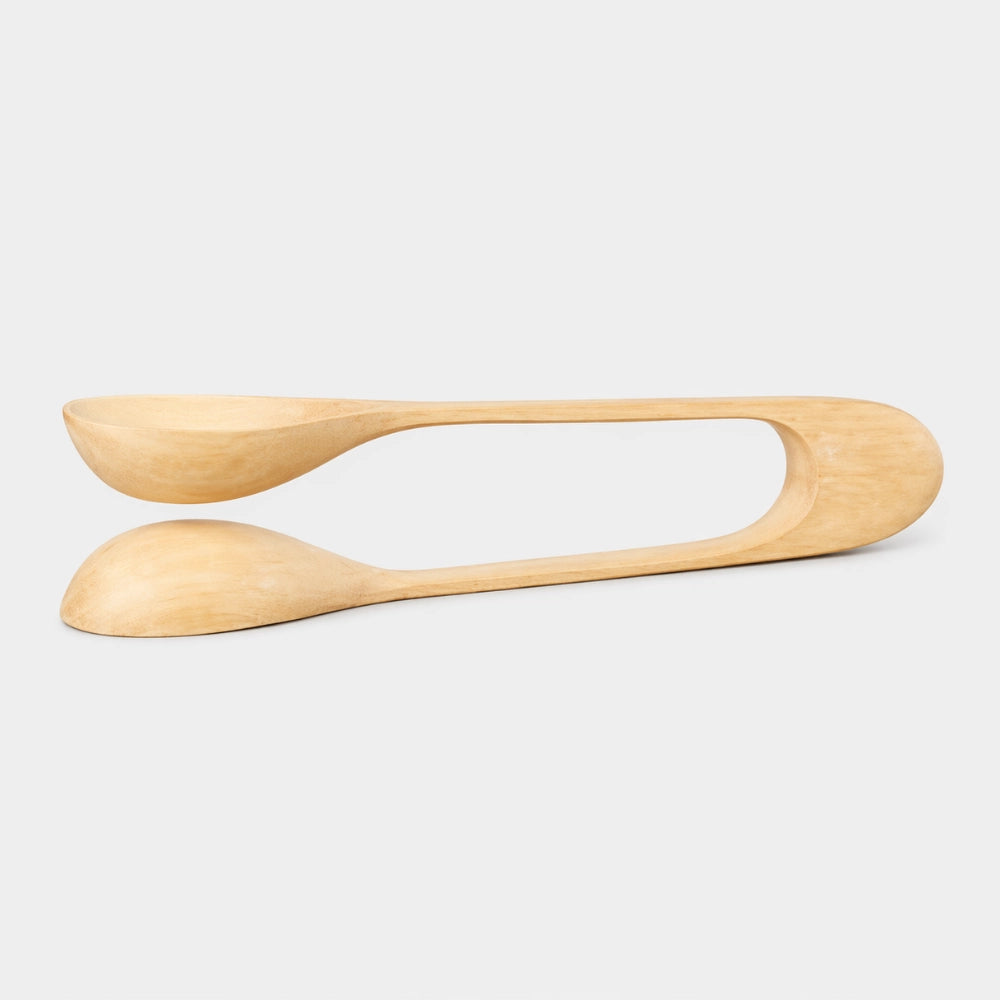
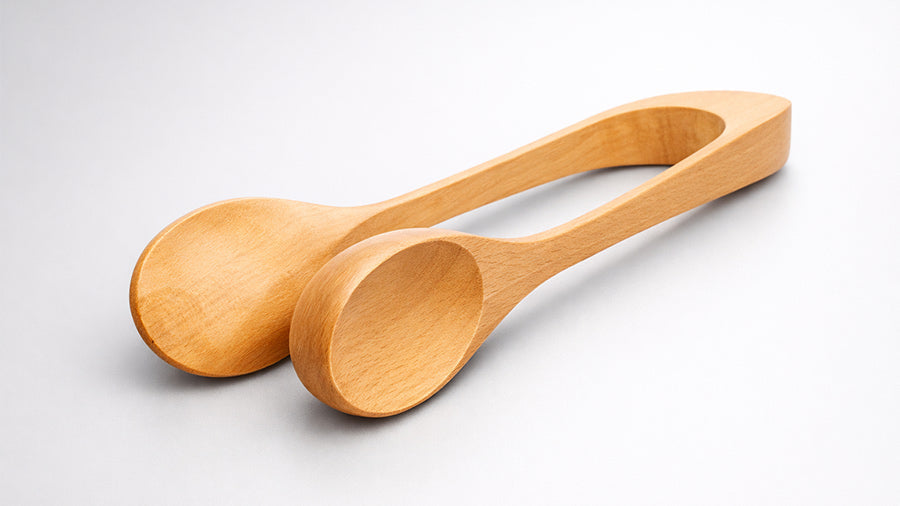
Kitchen spoons are perfect for learning, but purpose-made musical spoons are shaped and balanced specifically for sound and comfort. Musical spoons offer more control, better tone, and less hand fatigue during longer sessions. Many players start with kitchen spoons and move to musical spoons once they want a more refined sound.
Why Spoons Are a Great First Instrument
Spoon playing develops rhythm, coordination, and timing without needing musical theory or training. It’s portable, expressive, and rooted in traditional music from many cultures. Whether you’re experimenting at home or joining a session, spoons prove that making music doesn’t require expensive equipment — just curiosity and rhythm.
Want to learn the spoons faster?

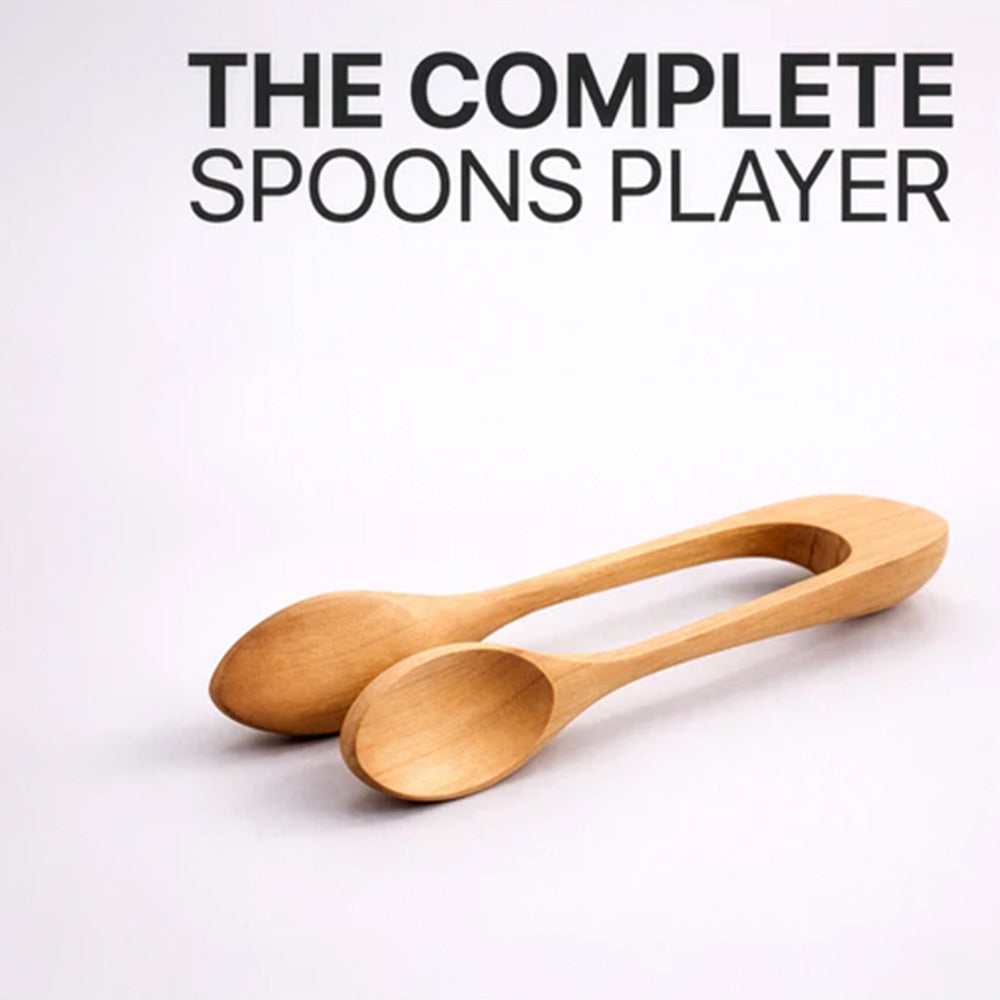
If you want to develop your spoon playing faster, the Complete Musical Spoons Player book provides a clear step-by-step path from the very basics to confident rhythm playing. It explains proper grip, sound control, rolls, pops, gallops, and swing rhythms, along with structured practice exercises that help you build real skill rather than just copying patterns. Whether you are completely new to the instrument or looking to improve your rhythm and technique, this guide shows how two simple spoons can become a surprisingly expressive percussion instrument.