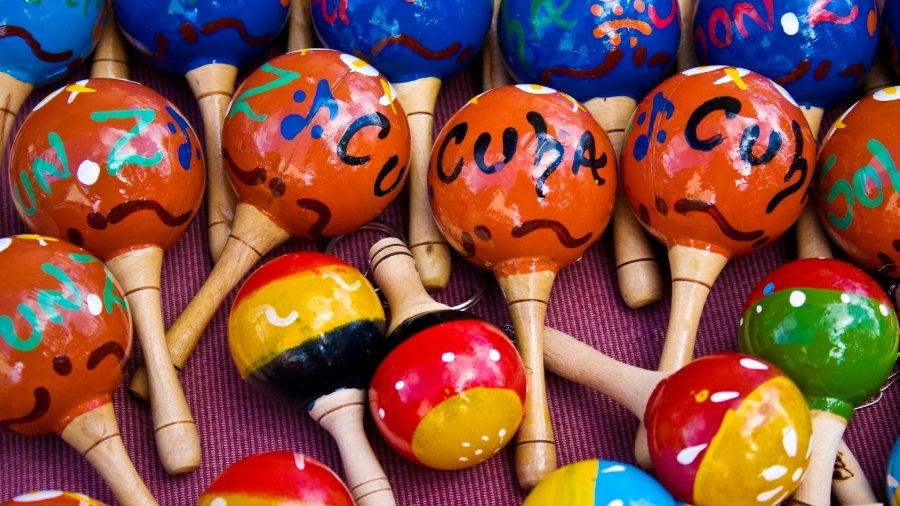
In this guide, we’ll walk you through the essentials of playing maracas, exploring their history, how to get comfortable with your new instrument, and how to play your first rhythm pattern.
The History of Maracas
Maracas have existed for thousands of years in various regions such as Africa, the Pacific Islands, and the Americas. While the exact origin is debated, it's believed that the Araucano people, from what is now central Chile, may have been the first to use the word maraca to describe a gourd rattle around 500 B.C. Other historians attribute the term's origin to the pre-colonial Tupí people of Brazil.
Additionally, maracas are also found in West African traditions. A Guinean legend speaks of a goddess who created a maraca from a gourd filled with white pebbles. Traditionally, maracas were made from dried gourds or turtle shells, filled with seeds, grains, or pebbles. Today, they are commonly crafted from wood, plastic, or animal leather, filled with a variety of organic and synthetic materials.
How to Hold Maracas
When it comes to holding maracas, its typically better to have a loose grip around the maraca handle. This way you can fully use the maraca’s weight while playing. It's important to hold them at a comfortable height, keeping your shoulders relaxed to stay comfortable while playing.
Playing Techniques for Maracas
Maracas are incredibly versatile. You can shake them to create a rhythmic sound effect, or use them individually or in pairs for a shaker effect, which is common in pop and rock music. Another traditional way to play them is by holding one in each hand, playing a series of eighth-note patterns with embellishments, like in Caribbean music.
Getting Comfortable with the Maracas
Let’s start by familiarizing ourselves with the weight of the maracas and learning a basic eighth-note pattern. The key thing to remember is that we want a short, staccato sound when the seeds inside hit the front of the maraca.
To create a cleaner, more uniform sound, make sure to accentuate the note as you move forward. This technique will help produce a more distinct rhythm. To add some groove, you can place light accents on beats two and four, which is common in many traditional patterns.
Maintaining a Relaxed Feel While Playing
As you start to play faster, you may notice that I move my arms in a specific way to stay relaxed and loose while playing. This movement is entirely personal and will vary from one percussionist to another, but for me, it helps create the right swing when playing the eighth-note pattern.
Practice with a Track
If you practice along with one of our exclusive practice tracks, included with your membership, you’ll hear how the pattern fits into a full percussion section. Even though the pattern is simple, it plays an essential role in the percussion arrangement by filling in higher frequencies and reinforcing the swing of the music.
Where to buy a maraca?

Take a look at our collection of shaker instruments.
Maracas (Frequently Asked Questions)
How to EQ a Maraca?
To EQ a maraca think clarity and movement, not weight. Start with a high-pass filter around 150–250 Hz to remove handling noise and rumble, and if the sound feels thick or boxy, lightly cut 250–400 Hz. Keep the mids mostly flat for a natural texture, but reduce 500–800 Hz if it sounds papery, or add a subtle boost around 1–2 kHz for clearer rhythmic definition. Balance the highs carefully: add a gentle lift at 4–6 kHz if sparkle is lacking, and soften harshness with a small cut around 7–10 kHz, avoiding aggressive high-end boosts. When treated with restraint, maracas sit effortlessly in the mix, adding groove and motion without sounding harsh or cluttered.