The ocean drum is a percussion instrument that mimics the sound of ocean waves, from soft, flowing textures to stronger, more dynamic effects. It responds directly to how you move it, making it easy to create sound while still offering control and variation. This guide shows you how to play the ocean drum properly, control the sound, and create different wave effects with simple techniques.
How to Hold an Ocean Drum?
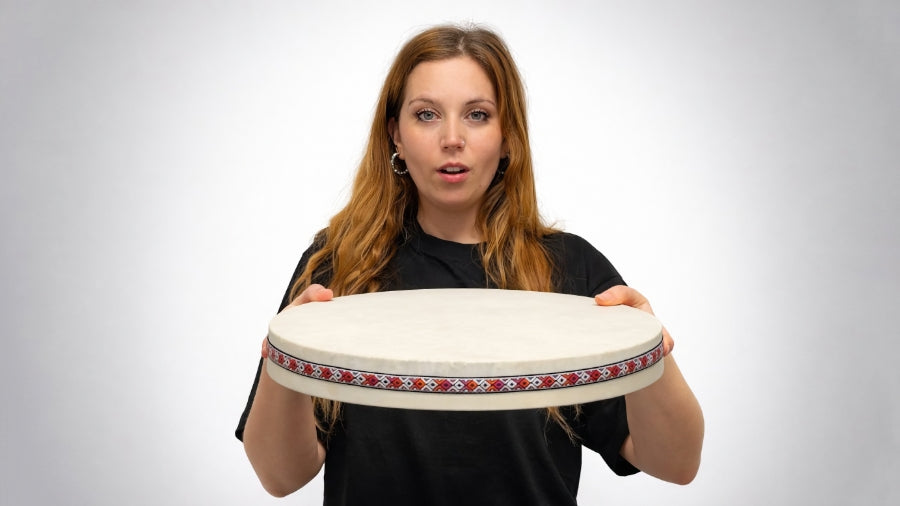
Hold the ocean drum flat with both hands and keep it balanced, using a light, relaxed grip so the beads can move freely. The sound is controlled by angle, not force—gently tilt the drum rather than shaking it, guiding the beads from one side to the other. Keep your movements slow and steady to create a smooth, flowing wave sound; fast or aggressive motion will scatter the beads and produce an uneven, chaotic effect.
3 Ocean Drum Sounds You Can Make
An ocean drum can produce three main sounds depending on how you move it: shaking creates a fast, textured, rain-like sound as the beads scatter quickly; tapping adds light rhythmic bursts by shifting the beads in small controlled movements; and slow rolling produces the classic smooth wave effect by gently tilting the drum so the beads flow evenly from one side to the other. The key difference is speed and control—faster movement creates more noise and texture, while slow, steady motion creates a softer, more natural ocean sound.
Beater vs Hand (Which Is Better?)

Where to strike the drum?
Striking the middle produces a deep resonant bass sound, while striking the edge creates a higher tone. This happens because the centre allows more vibration across the surface, while the edge limits movement. Use the centre for depth and the edge for brighter accents and variation.
Small vs Big Waves
Small movements create soft gentle waves with a smooth flowing sound, similar to calm water. Larger movements create strong powerful waves with a crashing sound like a stormy sea. The difference comes from how fast and far the beads move. This also has an impact on the overall sound volume and intensity.
Can ocean drums be used for sound healing?
Ocean drums are versatile instruments that can be used for sound healing, music therapy, ASMR, and meditation. They produce soothing ocean wave sounds that help calm the mind and reduce stress levels. The drums' responsive nature makes them ideal for music therapy, while their grounding effects make them beneficial for self-care and caring for others. Harmonizing breathing with the sea during meditation is also possible with these drums.
Ocean Drum – Frequently Asked Questions
What Beater Should You Use for an Ocean Drum?
Soft drum beaters are the best choice for most ocean drum playing, as they gently move the beads and maintain a smooth, natural wave sound. Hard beaters often break the flow and risk damaging the instrument, the key is how much force is transferred.
What should an ocean drum sound like?
When played properly, an ocean drum should sound smooth and flowing, like natural waves, with the beads moving evenly to create a soft continuous sound rather than a harsh or scattered rattle.