Music plays an important role in children’s education, helping develop creativity, coordination, confidence, concentration and social skills. Musical instruments give pupils an engaging, practical way to explore sound and express themselves. In this guide, we explore the benefits of music in schools, suitable classroom instruments, and how Carved Culture can help schools choose and purchase the right instruments for their pupils.
Why is Music Important?
Music is very important, studies suggest that music improves our mood by reducing stress, anxiety, and depression. It can help you sleep better, and is also wonderful for improved learning. Not only that, it is said to reduce the risk of Alzheimer's disease and to even reduce pain. I can vouch for that too, when I was a teenager, I was out with my friends late at night and I was robbed for my phone at knifepoint.
That experience for me was very traumatic and it kept me indoors for quite a few months. I was suffering a lot with many mixed emotions including anger, fear, and overall sadness. I felt as if my life was literally over, but I got through it. I think that without music in my life, being house-bound would have driven me completely crazy. For me I was able to let go of my feelings, and instead express myself within art, I wrote songs to help express my emotions, I created productions to let out my creativity and this overall made me very happy.
After some time, I got over my fears, but whenever something bad happens, music is always there for me. It always picks up where it left off, and for that reason, I think music is very important.
What Are the Benefits of Music for Children?
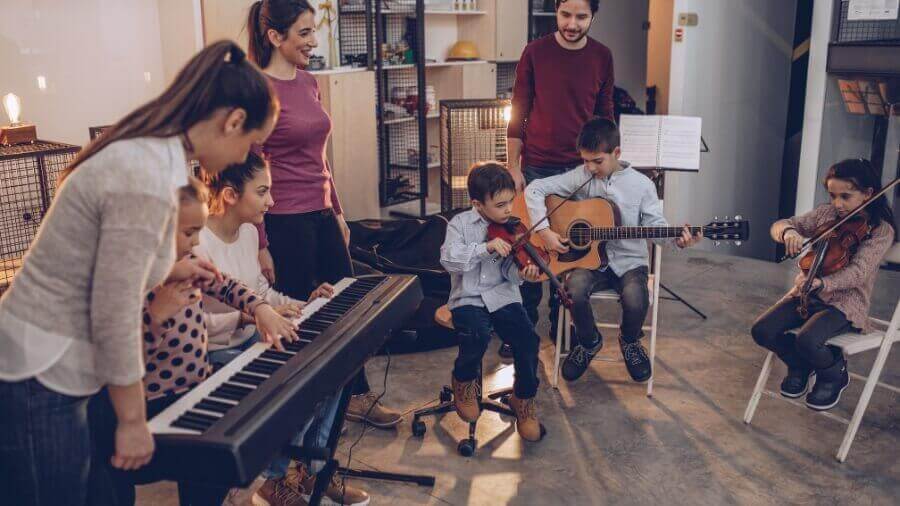
Music can support several areas of children’s development, particularly when they actively participate through singing, movement or playing instruments. It may help develop memory, concentration, coordination, fine motor skills and creativity, while also providing opportunities for children to explore sound and express themselves. Group music-making can encourage listening, cooperation and social interaction, while singing and rhythm-based activities may also support language and communication skills. Learning an instrument can additionally give children opportunities to practise patience, persistence and confidence as they develop new skills.
Music can also be a positive and engaging way for children to explore emotions and creativity in a classroom environment. Playing simple instruments such as drums, shakers or ukuleles allows children to experiment with rhythm, sound and performance at their own level, while group activities can encourage participation and interaction with others. These potential benefits make music and musical instruments a useful addition to school activities, particularly when they are introduced in an age-appropriate and enjoyable way.
Buy Musical Instruments for Schools

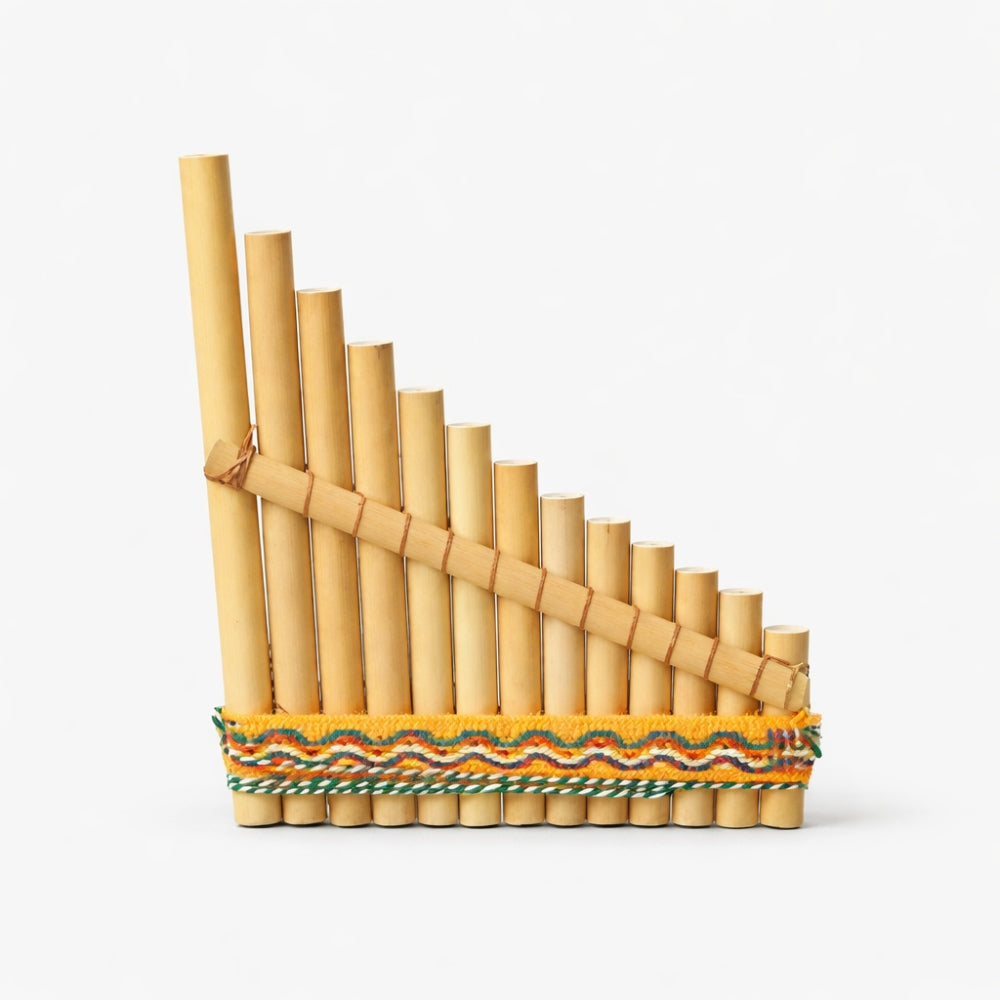
Carved Culture supplies a range of music instruments for schools, including drums, shakers and instrument packs. Our instruments are suitable for a variety of classroom activities and provide an accessible way for children to explore music. Schools can also benefit from our educational discount across our range.
Contact us to discuss your requirements or find the right instruments for your classroom.