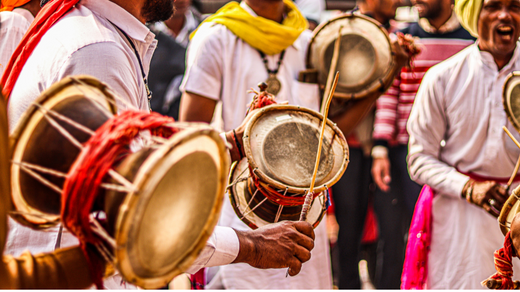
Indian drums are used worldwide and are symbolic of India's culture and music scene. They are used in various music styles and are key to many celebrations and festivals. The drums are well-known throughout India, and here are some of the most common types of drums. These are used in a variety of musical genres, and you will find that they have a unique sound, which makes them a key part of the music when played in a performance or production.
Types of Indian drums
India's drumming tradition includes many drums, each with a specific musical role. The tabla, with its wooden dayan and metal or clay bayan, is central to classical music and known for finger techniques. The barrel-shaped mridangam, made from jackwood or rosewood, provides deep bass and melodic highs in South Indian music. With two drumheads, the dholak delivers lively rhythms for folk music and celebrations. The pakhawaj, also barrel-shaped, offers delicate tones in classical music.
Drums are very popular in India, and there are different techniques that can be used for a variety of drums. Each of the drums plays a key component in different styles of music. In classical Indian music, the tabla is very popular. It is a pair of hand drums which create complex rhythms and is a well-known drum. A drum which has a deep sound and features in Carnatic music is the mridangam. This drum originates from southern India and has a barrel-shaped design.
The dholak is a versatile drum used in folk and classical genres, driving energetic rhythms in celebrations and dance. A barrel-shaped drum known as the pakhawaj is a prominent instrument in Hindustani classical music. It is known for its vibrant sound. It is used in a range of settings as it is a versatile drum. For a more earthy tone, the ghatam drum is often used in performances.
Choosing the right drum for your needs

We can help you choose the right drum for your needs. There are various types of Indian drums, and the information we provide will help you choose the most suitable one. Understanding the drum's purpose is the first step in selecting the right one. Determine the genre or style of music you wish to create, and let that guide your decision-making process.
Assess your current proficiency and consider the learning curve associated with each one. If you have time to invest, the tabla would be ideal. For a beginner, the dholak is a good choice. Your drum's weight and size should be considered if you are performing with it. Indian drums are available at various price points. They can range from specially crafted drums to more accessible options for learners.
Indian drumming playing techniques
Choosing the right Indian drum can feel overwhelming, but focusing on your musical goals makes the process much easier. Start by considering the style of music you're drawn to—whether it's classical, folk, or traditional—and select a match accordingly.
Your skill level also matters; for instance, while the tabla offers rich expression, it demands regular practice, whereas the dholak might be more approachable for beginners. Consider practical factors as well, such as portability if you plan to perform, and your budget, as Indian drums range from affordable beginner models to professional-grade instruments. By weighing these elements, you'll be well on your way to finding the perfect drum that supports and inspires your musical journey.
Tabla
The tabla is a traditional Indian hand drum composed of two parts: the dayan (bass) and the bayan (treble), each producing distinct rhythmic patterns. Played with the hands using striking, pressing, and sliding techniques, it's a staple of classical Indian music and has accompanied vocal and instrumental performances for centuries. The tabla can be a challenging drum to learn due to the complex rhythms that are required. You will need to dedicate time to playing the drum so that you can feel comfortable playing it. The drum is used in a variety of music genres and works well with other sounds.
Mridangam
The mridangam is a barrel-shaped drum central to Carnatic music, known for its deep, resonant sound that adds spiritual depth to performances. Made from hollowed jackwood or rosewood with stretched skin on both ends, the right side (valanthalai) produces bass tones, while the left (shoppe) offers higher melodic sounds. Played with techniques such as sliding, pressing, and striking, it supports both vocal and instrumental performances with rich, rhythmic patterns.
Dholak
The dholak is a lively, two-headed hand drum known for its energetic sound, commonly used in folk, classical, and celebratory music across India. Made from durable woods like sheesham, with stretched animal skins —typically cowhide for bass and goatskin for sharper tones —it features a larger bayan for deep sounds and a smaller Chandan for higher pitches.
Played using a mix of sliding, pressing, and striking techniques, the dholak is ideal for dance styles like Bhangra and large gatherings. Traditional craftsmanship is key, with the careful selection of materials such as gum Arabic for skin strength, tuning rings for pitch control, and decorative carvings or paintings.
Maintenance and care for Indian drums
Maintaining your instrument is essential for making it last. Regularly inspect for damage and tune the drum by tightening the skin with tuning rings to keep the sound crisp. Controlling humidity is vital to prevent skin damage—storing drums in a cool, dry place and using humidifiers or monitors helps maintain ideal conditions.
Clean the drum skin gently with a soft cloth, avoiding harsh chemicals or excess moisture. Wipe wooden parts with a damp cloth without soaking. Always handle your drum carefully and consider professional help for complex repairs to ensure your instrument stays in top condition.
Where to buy Indian drums?

With the growing popularity of Indian music and percussion instruments, finding authentic and high-quality Indian drums has become more accessible than ever before. Whether you're a beginner musician or are interested in exploring different percussion instruments from India, you will love our range.