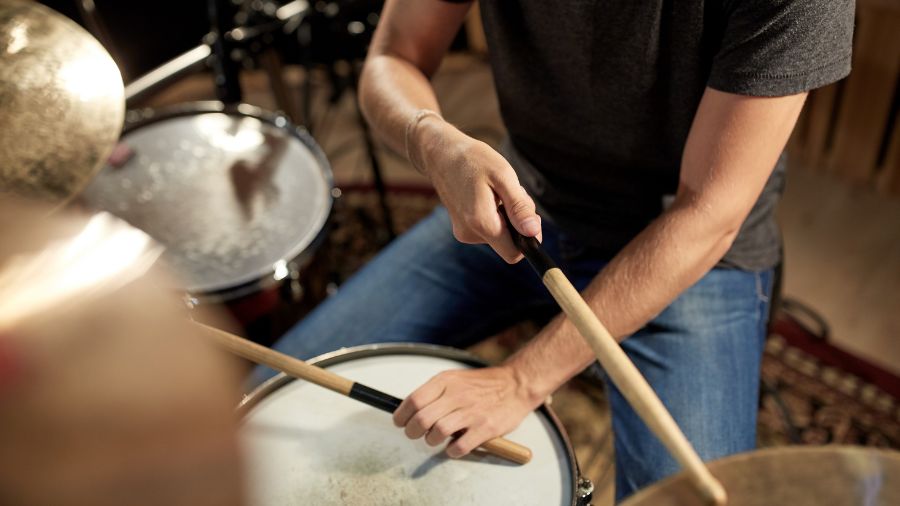
Drummers often hear about the exciting side of playing music—performing live, travelling with bands, and driving the rhythm behind a song. While those parts are certainly rewarding, there are also plenty of frustrations that come with the role. Many of these challenges are unique to drummers. From hauling heavy gear to being blamed for tempo problems, the realities of the job can look very different from what people imagine. Below are ten of the most common annoyances drummers experience. They may not stop anyone from loving the instrument, but they are definitely part of the job.
1. What People Think Drummers Do
One of the biggest misconceptions about drumming is how glamorous people assume it is. Many imagine drummers constantly playing huge venues and performing exciting shows every night. In reality, much of a drummer’s time is spent rehearsing, travelling to gigs, loading equipment, and waiting around between soundchecks and performances. The actual time spent playing music can be surprisingly small compared to everything else that surrounds it. There is another misconception as well: people often assume drummers are constantly playing complicated fills across dozens of drums. In truth, most drumming revolves around something much simpler—keeping the groove steady and supporting the band.
2. Carrying the Gear
Drummers almost always carry the most equipment in a band. A typical setup includes a drum kit, cymbals, stands, pedals, hardware, and cases for everything. While other musicians might carry a guitar or keyboard, drummers often make multiple trips just to move their gear from the car to the stage. After the performance ends, they are also usually the last person packing up while everyone else is already relaxing. It’s one of the less glamorous realities of being a drummer.
3. The Infamous “Drum Face”
Many drummers eventually notice something strange when they watch themselves on video: drum face. While concentrating on complex rhythms, drummers often make exaggerated facial expressions without realizing it. These expressions can look intense, awkward, or even painful when viewed later. Unlike guitarists or singers who can look relaxed while performing, drummers frequently look like they are fighting the instrument.
4. Waiting Forever in Orchestral Settings
In orchestral music, percussionists sometimes face a unique challenge: waiting for long stretches of time before playing a single note. A piece might require counting dozens of measures of rest before a single triangle hit or cymbal accent appears. If the player loses track of the count, that one important moment can easily be missed. It can be one of the most stressful—and sometimes frustrating—situations in percussion performance.
5. People Think Drumming Is Easy
Because drums often focus on rhythm rather than melody or harmony, many people assume drumming requires little practice. From the outside, a simple groove can look effortless. But maintaining steady timing, dynamic control, coordination between limbs, and musical feel takes years of practice. Like any instrument, drumming demands consistent training to sound good in real musical settings.
6. Being Asked to Play Anything
Drummers often face an unusual expectation: if it makes noise, they should be able to play it. Whether it’s a shaker, tambourine, cajón, or random object in the room, someone will eventually ask the drummer to “just play something on it.” Even if the instrument is unfamiliar, the assumption is that any percussion instrument should be easy for a drummer. While this flexibility can be useful, it can also be frustrating when the expectation becomes unrealistic.
7. Tempo Problems Are Always the Drummer’s Fault
When a band struggles with timing, the blame often lands on the drummer. Even when other musicians are rushing or dragging, the drummer is typically the first person questioned about the tempo. This happens at every level, from beginner bands to professional groups. Ironically, when the band rehearses with a metronome or click track, it often becomes clear that the drummer was keeping time correctly all along.
8. Singers with Percussion
Many drummers have experienced this situation: a singer decides to add percussion to their performance. While it may seem harmless, tambourines or shakers played without solid timing can easily disrupt the groove. If the percussion isn’t locked into the rhythm, it can create tension with the drum part. For drummers trying to maintain a tight groove, this can be particularly challenging.
9. Endless Drummer Jokes
Drummers have long been the subject of musician jokes. These jokes appear everywhere—from rehearsal rooms to online forums—and they often portray drummers as less skilled than other musicians. While most drummers learn to laugh along, the jokes can become repetitive over time.
10. Babysitting the Band’s Tempo
One of the drummer’s main responsibilities is keeping the band together rhythmically. Because of this, drummers often feel like they are constantly monitoring everyone else’s timing. If another musician speeds up, slows down, or drifts away from the groove, the drummer usually has to adjust or pull the band back into time. Maintaining this balance while still playing musically can be one of the most demanding parts of the job.