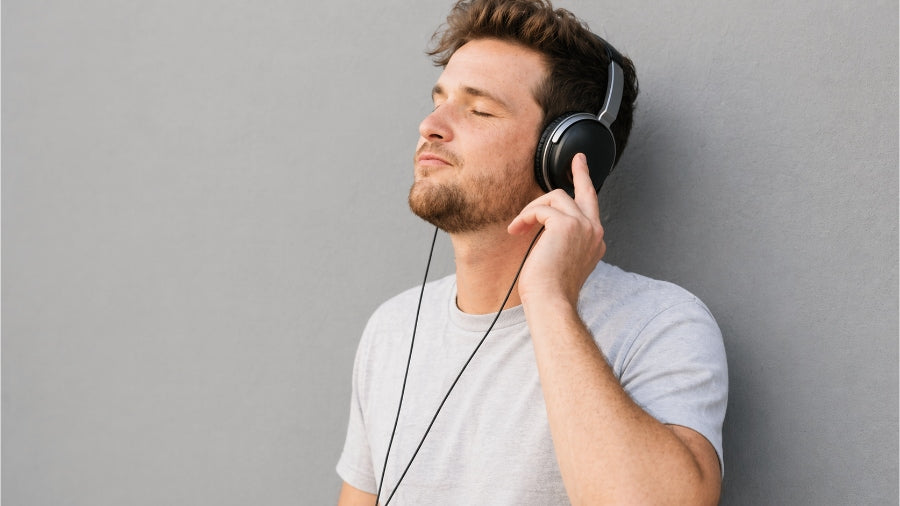
Binaural beats are an auditory illusion created when two slightly different sound frequencies are played separately into each ear, causing the brain to perceive a third “beat” frequency. This perceived beat matches the difference between the two tones and can influence brainwave activity, which is why binaural beats are often used for focus, relaxation, meditation, and sleep.
What Are Binaural Beats Used For?
Binaural beats are commonly used to support specific mental and emotional states by encouraging the brain to shift into particular brainwave ranges, such as promoting relaxation and stress reduction, supporting meditation and mindfulness, improving focus and concentration, aiding sleep through delta or theta states, and encouraging creative or introspective awareness. While they are not a medical treatment, many people use binaural beats as a supportive tool alongside practices like meditation, breathwork, or sound therapy.
Why and How Do Binaural Beats Work?
Binaural beats work through brainwave entrainment, where the brain responds to two slightly different frequencies played separately into each ear by creating a third, internal rhythmic pulse equal to the difference between them—for example, 200 Hz in one ear and 210 Hz in the other produces a perceived 10 Hz beat associated with relaxed alertness. When listened to for extended periods with headphones, the brain may begin to synchronise with this rhythm, not by force but by gentle encouragement, with effects varying based on the listener, environment, and consistency of use.
Instruments That Create Binaural Effect

While true binaural beats require two separate frequencies delivered to each ear through headphones, many musical instruments naturally create closely related effects that the brain and nervous system respond to in similar ways. Instruments capable of producing sustained tones and rich overtones—such as singing bowls, gongs, didgeridoos, kalimbas, handpans, harmonicas, and tuning forks—generate slow pulsing textures, harmonic interference, and rhythmic entrainment that can feel binaural in effect, especially when recorded in stereo or played with intention.
Rather than relying on pure sine waves, these instruments work through resonance, breath, rhythm, and overtone interaction, which is why they have been used for centuries to support deep listening, focus, and meditative states. For a deeper breakdown of how these instruments are used and which are most effective see our complete sound therapy instruments guide.
Binaural Beats (Frequently Asked Questions)
Do binaural beats actually work?
Many people report noticeable effects, especially for relaxation and focus. Scientific research suggests they can influence brainwave activity, but results vary from person to person.
Do I need headphones to listen to binaural beats?
Yes. Headphones are essential because each ear must receive a different frequency for the binaural effect to occur.
Are binaural beats safe?
For most people, binaural beats are safe when used at reasonable volumes. They should be avoided by individuals with seizure disorders unless advised otherwise by a medical professional.
How long should I listen to binaural beats?
Sessions typically range from 10 to 45 minutes. Longer sessions are often used for sleep or deep meditation, while shorter sessions work well for focus.
Can I listen to binaural beats while doing other things?
Yes. Many people listen while working, meditating, or resting. However, they should not be used while driving or performing tasks that require full attention if they cause drowsiness.