Alang-Alang (Imperata cylindrica), also known as cogongrass, kana grass, blade grass, or cotton wool grass, is a remarkable plant found in tropical regions across Asia, India, Australia, and South Africa. Known for its rapid growth, it can reach up to 10 feet in height and spreads through seeds and root rhizomes, forming dense mats that can be invasive. Despite this, Alang-Alang has been valued for centuries for its surprising versatility. From sustainable construction to traditional crafts, this plant is more important and eco-friendly than you might think.
What are Common Uses for Alang-alang?

Alang-Alang (Imperata cylindrica) is a versatile plant used across industries and cultures. Its strong, durable fibers are ideal for traditional crafts like mats, hats, bags, and weather-resistant thatching, making it popular in Southeast Asia and Africa. It’s also used in sustainable building for natural insulation and reinforcement and can be processed into eco-friendly paper, reducing deforestation.
Beyond practical uses, Alang-Alang offers medicinal and skincare benefits due to its high potassium content. Environmentally, it supports erosion control, soil health as mulch, and wildlife habitat. Alang-Alang is also featured in fashion and home decor, with items like sandals, handbags, and decorative pieces that showcase its natural, rustic beauty.
What Makes Alang-Alang Unique?
Alang-Alang (Imperata cylindrica) is known for its versatility and sustainability. This tropical grass grows rapidly, reaching up to 10 feet, and its strong fibers make it ideal for eco-friendly crafts, construction, and erosion control. As a resilient perennial, Alang-Alang spreads through seeds and root rhizomes to form dense mats that prevent soil degradation.
Alang-Alang is traditionally used for thatching roofs due to its weather resistance and insulation properties, making it a sustainable building material in Southeast Asia and Africa. Its biodegradable nature and minimal environmental impact make it a strong alternative to synthetic materials. From woven crafts and construction to natural skincare, Alang-Alang proves its value across cultures and industries.
Why Alang-Alang Is Sustainable

Alang-Alang is a standout sustainable material due to its rapid growth, resilience, and low environmental impact. Unlike many crops, it thrives in poor soil without the need for fertilizers or pesticides, making it a low-maintenance and eco-friendly option. Its dense root system helps prevent soil erosion, supports biodiversity, and aids in land restoration, offering environmental benefits beyond its practical uses.
As a natural and biodegradable material, Alang-Alang is a superior alternative to synthetic products, which often contribute to pollution and health risks. Whether used for woven crafts, thatching, or other eco-friendly applications, Alang-Alang combines beauty and functionality while minimizing environmental harm. Its versatility makes it a cornerstone of sustainable grass products and eco-friendly materials.
Popular products made from Alang-Alang
1. Alang-Alang Woven Hats
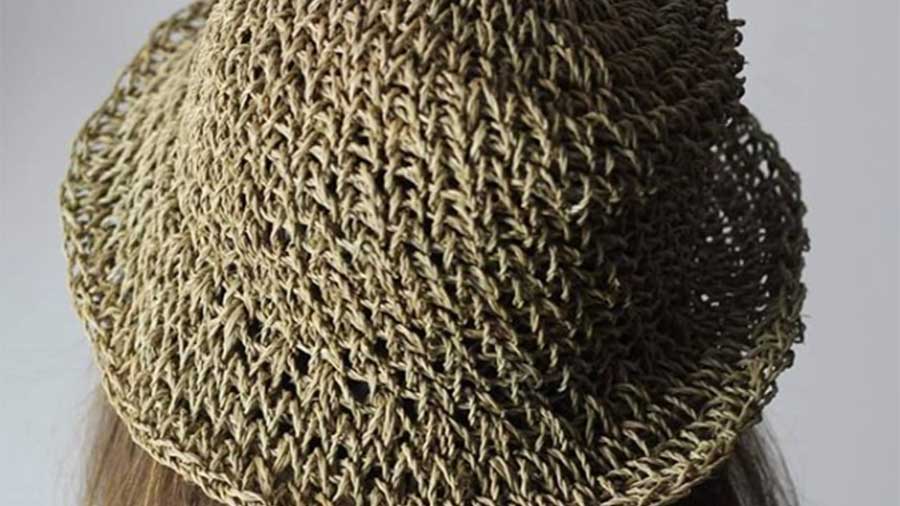
Made from natural Alang-Alang grass found in Bali, these lightweight and breathable summer hats are perfect for sunny days and outdoor activities.
2. Alang-Alang Woven Rugs
Crafted from durable, natural fibers, these mats are perfect for sitting, sleeping, or decorative purposes. As eco-friendly materials, they combine functionality with sustainability, making them a staple in traditional and modern homes.
3. Alang-Alang Placemats
Alang-Alang round dinner placemat are handcrafted from natural materials, adding a stylish and functional boho touch to your table setting.
4. Woven Bags and Baskets
These versatile storage solutions are created using strong Alang-Alang fibers. They’re perfect for everyday use, offering durability and style with the benefit of being 100% biodegradable.
5. Home Decor Items
Decorative pieces like lampshades, wall hangings, and table runners highlight Alang-Alang's rustic charm and natural texture, making them eco-friendly additions to any home.
Discover Natural Percussion Instruments

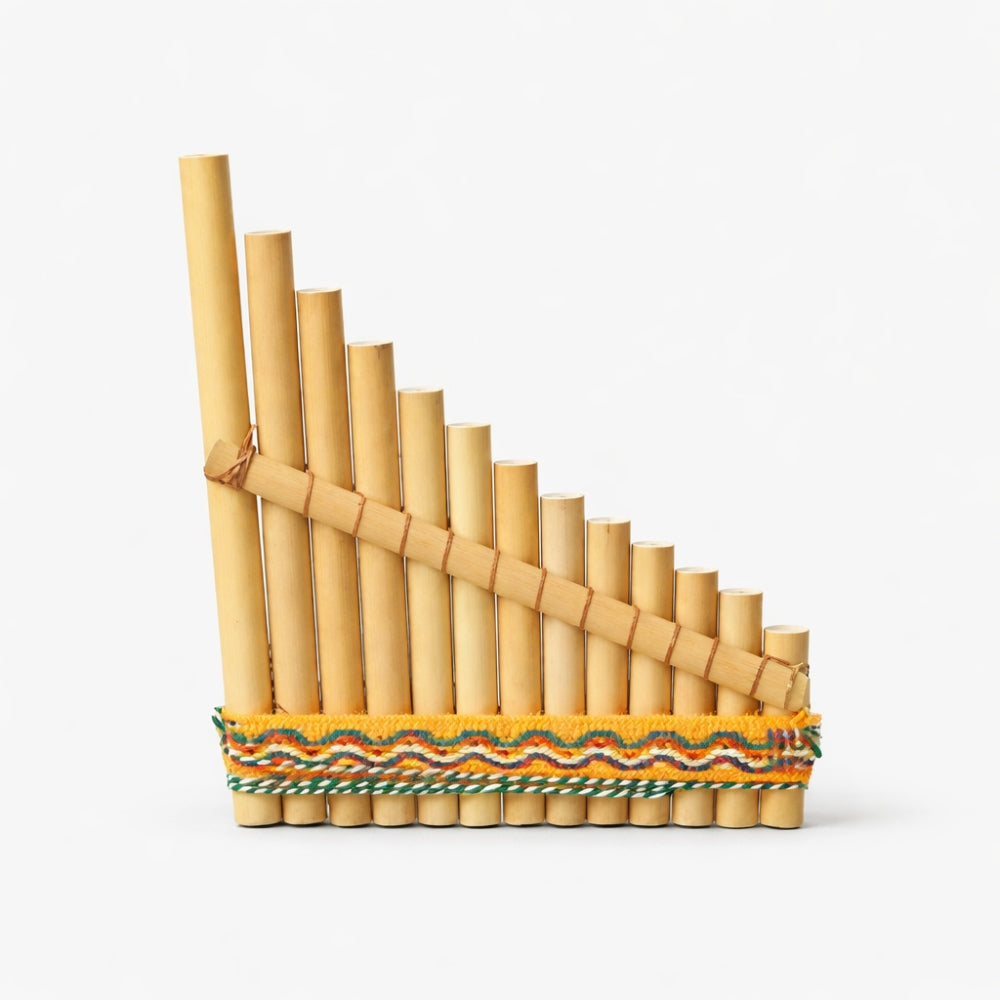
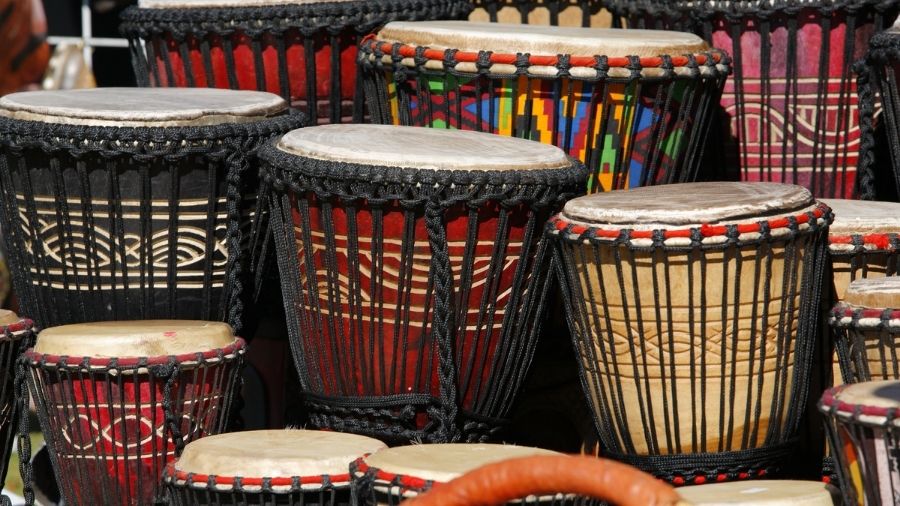
Explore our collection of natural percussion instruments, handcrafted from eco-friendly materials like coconut, seed pods, straw, and more. Each piece is designed to offer unique tones and authentic sounds, celebrating sustainability and natural craftsmanship. Perfect for musicians who value the environment and high-quality instruments.