Bachata is more than a dance: its interlocking guitars, percussion and bass create one of the Dominican Republic's most recognisable musical styles. This guide explains its history, instruments, rhythm and relationship to dancing, with practical listening exercises for beginners.
What Is Bachata?
Bachata is both a musical genre and a partner dance originating in the Dominican Republic. Its distinctive sound brings together interlocking guitars, bass and percussion, often accompanying songs about love, loss and everyday life. Although dancers commonly count eight steps, the underlying music is generally in 4/4 time: four beats per bar.
The History of Bachata Music
Bachata grew from Dominican guitar traditions and was influenced by bolero and other Caribbean popular music. José Manuel Calderón's 1962 recordings, including “Borracho de amor”, are frequently cited among the earliest recorded bachatas. The music was initially associated with working-class communities and faced social stigma before achieving wider acceptance. Later performers and bands helped bring bachata to international audiences, while modern recordings increasingly blend its guitar-led identity with pop and R&B.
What Instruments Are Used in Bachata?
Requinto (lead guitar): Plays bright melodic introductions, fills and answering phrases between vocal lines. Segunda (rhythm guitar): Provides syncopated chord patterns and a rhythmic foundation. Bass guitar: Anchors the harmony and gives the groove its movement. Bongos: Add contrasting low and high hand-drum sounds and rhythmic variations. Güira: A scraped metal percussion instrument that supplies a steady, driving texture. Earlier bachata arrangements also used maracas and other shakers to mark time. These parts interact: no single instrument carries the entire rhythm.
Güira vs Güiro: What Is the Difference?
The Dominican güira commonly used in bachata is a cylindrical metal scraper played with a comb-like implement. A güiro is usually a ridged gourd, wooden or other scraper. Both create rhythmic scraping sounds, but they are different instruments with different timbres.
Understanding Bachata Rhythm
Most bachata is counted in 4/4. Listen for the repeating güira texture, the bongo accents, the bass movement and the syncopated guitar. Musicians commonly describe three contrasting rhythmic feels: derecho, a relatively steady foundational groove; majao, a more accented, driving section; and mambo, a busier, more energetic instrumental passage. These labels describe musical approaches rather than three separate time signatures. Their exact execution varies between recordings and musicians.
How to Listen to a Bachata Song
First, tap along to four even beats. Next, isolate the bright scraping güira and notice how it keeps the pulse moving. Listen for the bongos' contrasting drum tones, then follow the bass notes and the rhythm guitar's off-beat emphasis. Finally, focus on the requinto: its melodic fills often answer the singer. Repeat the exercise with different recordings to hear how traditional and contemporary arrangements differ.
How Bachata Music Connects to the Dance
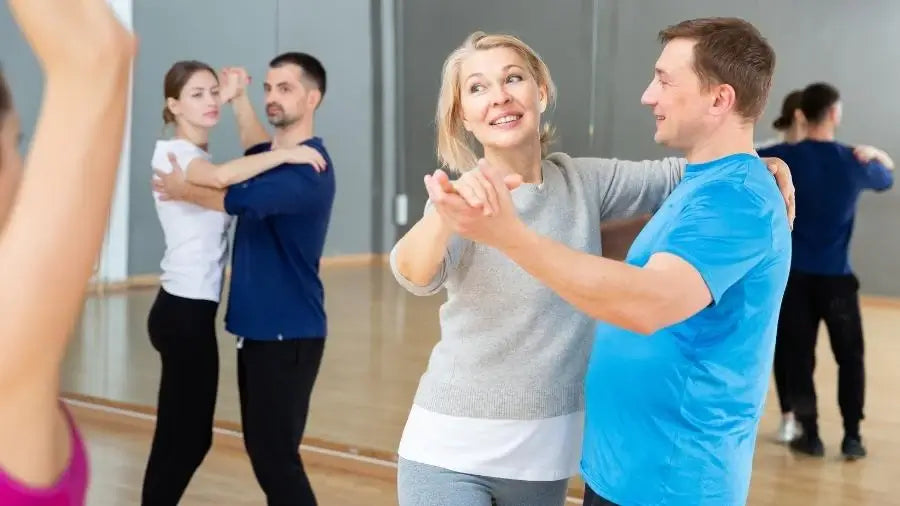
A common beginner pattern is three steps followed by a tap or weight-free accent: 1, 2, 3, tap; 5, 6, 7, tap. The eight-count phrase spans two bars of 4/4 music. The fourth and eighth counts are often marked with a tap and hip action, but dancers vary their styling. Learning to hear the bass, guitar and percussion makes it easier to move with the music rather than simply memorising steps. Bachata dance now includes several approaches, including traditional, modern and sensual styles; these should not be confused with separate musical time signatures.
My Experience Learning Bachata

I first tried dancing after a drama workshop made me realise how uncomfortable I felt moving in front of others. When I mentioned this to some friends, Martha suggested trying a Bachata class together. The basic steps came quickly, but keeping time, leading a partner and remembering the moves were much harder, especially during social dancing. Watching experienced dancers was intimidating at first.
After around ten lessons, my confidence had improved considerably. One of my favourite songs to practise with was DJ Tronky's remix of Ed Sheeran's “Afterglow”, because its slower pace helped me relax. My advice? Focus on the rhythm, practise consistently and don't compare yourself with experienced dancers.
Watch my bachata dancing experience.
Practise Bachata Rhythm with Bongos

Bongos add rhythmic accents and fills around bachata’s steady pulse. Try this simple listening exercise: count 1, 2, 3, 4 along with a bachata song. On your bongos, play a low open tone on beat 1 and a higher tone on beat 3. Once that feels comfortable, add a light high-drum tap between beats 3 and 4. This is a beginner practice pattern, not a traditional bachata bongo part. Listen again to the recording and notice how the percussionist varies the rhythm rather than repeating the same hits throughout.