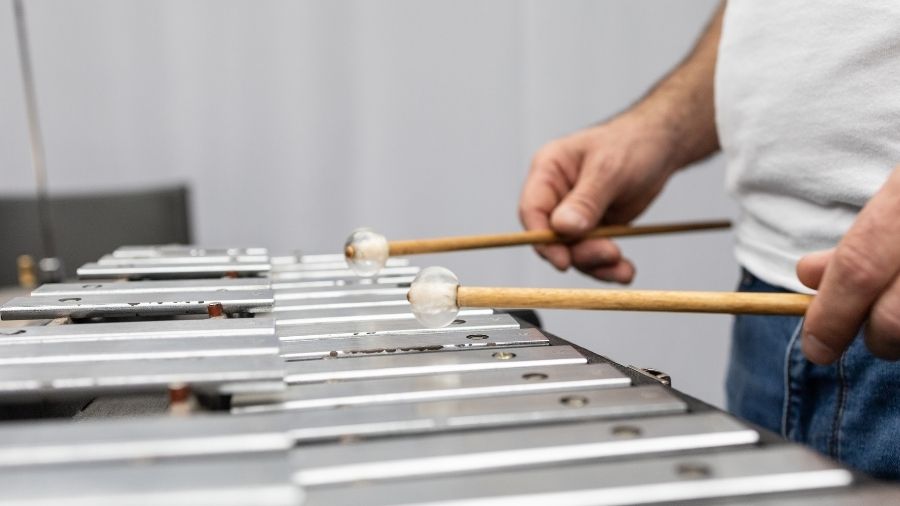
The glockenspiel produces bright, bell-like tones with fast transients and long, ringing harmonics. A clean recording is about controlling brightness and resonance while preserving clarity and pitch definition. The goal is sparkle and precision—not harshness or thinness. Below is a practical EQ guide that works for orchestral glockenspiels, classroom models, and sampled or mic’d metal bar instruments.
Understanding Glockenspiel Frequencies
A glockenspiel lives almost entirely in the upper spectrum: fundamentals sit roughly between 800 Hz and 2.5 kHz, brightness and attack come from 3–8 kHz, shimmer and potential harshness live above 8 kHz, and anything below ~200 Hz is usually just rumble or vibration. Unlike wooden mallet instruments, pitch clarity comes from upper mids and harmonics rather than body resonance, which is why low-mid buildup quickly masks definition and excess highs turn metallic and fatiguing. The key is balance—preserving the relationship between the fundamental note and its harmonics so the glockenspiel sounds clear and musical, not thin or piercing.
High-Pass Filter Settings (Clean the Bottom)
Where to Cut Muddiness
Where to Boost Clarity and Definition
Using Reverb to Make Glockenspiel Sound Natural
Glockenspiel almost always benefits from reverb because a completely dry sound feels hard and unnatural. Use a small hall or plate reverb to blend harmonics and soften the attack without losing clarity: shorter decays (around 1–2 seconds) work best for rhythmic parts, while longer decays (2–3 seconds) suit melodic or ambient playing. Keep the reverb clean by rolling off lows below ~300 Hz and highs above ~8–10 kHz. The goal isn’t wash—it’s space. Done right, reverb makes the glockenspiel feel musical, bell-like, and effortless rather than sharp or disconnected.
Great Glockenspiel Sounds Starts With Technique

With glockenspiel, less EQ is always more—reduce harshness instead of boosting, and fix clarity through placement and dynamics before touching plugins. When played and balanced correctly, the instrument should sound clear, bell-like, and effortless, cutting through the mix without fatigue. The Complete Glockenspiel Player builds that foundation properly, guiding beginners through beater choice, rhythm, chords, and 19 familiar songs so confidence and control develop naturally. Strong technique makes the glockenspiel sound right at the source—and that’s what keeps recordings clean long before EQ is even needed.