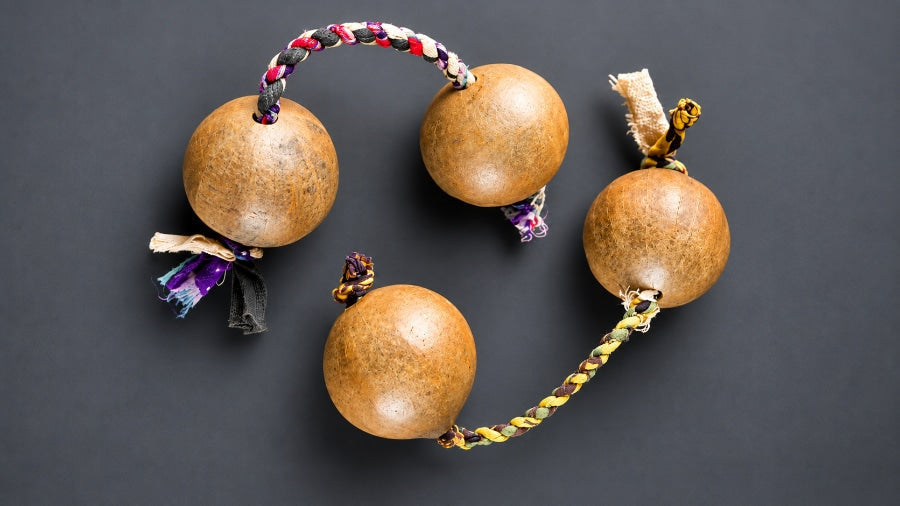
The kashaka shaker produces fast transients, sharp attacks, and a wide spread of high-frequency detail. A clean recording comes from controlling harshness and handling noise while preserving clarity and rhythmic definition. The goal is precision and separation—not weight or brightness. Below is a simple EQ approach that works for kashaka shakers in studio recordings, percussion layering, and live rhythm tracking.
EQ the Lows (Remove Rumble and Handling Noise)
Kashakas don’t produce useful low frequencies, so remove what doesn’t belong. Use a high-pass filter around 120–180 Hz to clear wrist movement and room vibration, and if the sound feels cluttered, apply a small cut around 200–300 Hz. Never boost the lows—keeping the bottom clean ensures fast patterns stay tight and clear in dense mixes.
EQ the Mids (Define the Rhythm)
The midrange is where timing and groove become audible. Keep mids mostly neutral to preserve the natural tone, cut gently around 600–900 Hz if the sound is honky or nasal, and add a light boost around 1.5–3 kHz for clearer articulation. Small, careful moves here make each strike read cleanly without sounding forced.
EQ the Highs (Control snap without harshness)
High frequencies define the kashaka’s snap and texture. Add a subtle boost around 4–6 kHz only if presence is lacking, and apply a soft cut around 7–9 kHz if the sound feels sharp or fatiguing. Avoid aggressive top-end boosts that exaggerate string noise or shell clicks—well-EQ’d kashakas should sound crisp and controlled, not brittle.
Skip the EQ with Professional Kashaka Sounds

When EQ is applied well, the kashaka should sound tight, focused, and rhythmically precise, with each strike easy to place in the mix. That said, kashakas are inherently inconsistent to record, as small changes in grip, angle, or speed alter the tone, which is why many producers skip recording altogether and use professionally captured sounds instead. A high-quality kashaka sound pack offers ready-to-use WAV samples with consistent tone, no room noise, no EQ required, and instant results—making it the fastest, most reliable way to achieve clean, professional kashaka sounds for music, film, and sound design.