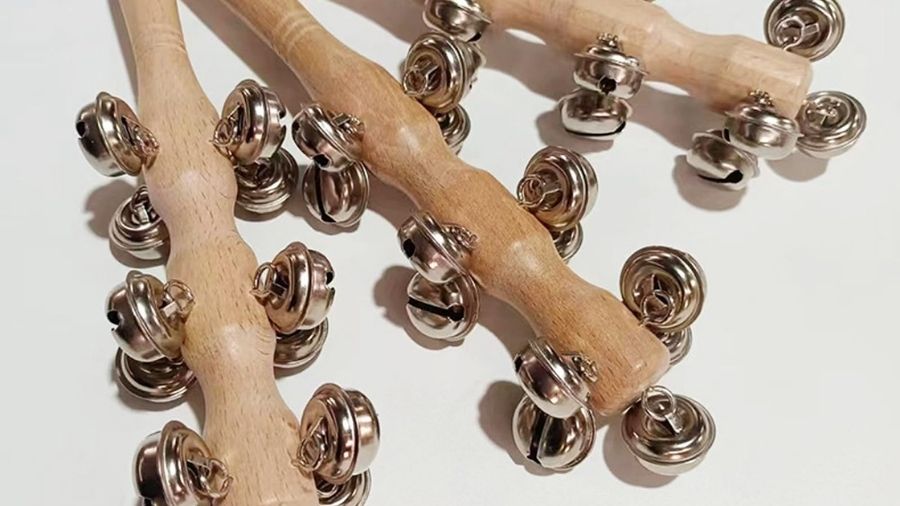
Sleigh bells are bright, fast, and full of high-frequency detail. That sparkle is what makes them magical—but it’s also what makes them easy to record badly. Too much low-end rumble, harsh highs, or uncontrolled resonance can turn festive jingle into noise. The goal with EQ is clarity and control, not weight.
Below is a simple, practical EQ approach that works for most sleigh bell recordings.
1. Clean the Lows (Remove Rumble First)
Sleigh bells don’t need low frequencies, so start by applying a high-pass filter around 150–250 Hz, increasing it gently until handling noise, mic stand rumble, and room thumps disappear. Stop before the sound becomes thin or brittle—this single step often solves most recording problems on its own.
2. Shape the Low-Mids (Avoid Boxiness)
Some sleigh bells—especially larger sets—can build up muddy resonance, so apply a light, narrow cut around 300–600 Hz (about 1–3 dB) if the sound feels dull or congested. Skip this step if the recording already feels open—its purpose is to keep the bells light, agile, and clear in the mix.
3. Control the Mids (Keep Rhythm Clear)
The rhythmic definition of sleigh bells lives in the 2–4 kHz range, so a gentle boost here can improve articulation and help them cut through guitars, strings, or vocals. Keep it subtle—sleigh bells should add motion and clarity without dominating the mix.
4. Tame or Enhance the Highs
The high frequencies are where sleigh bells either sparkle or become fatiguing, so this step matters most. Add a light presence boost around 5–7 kHz only if you need clarity, and if the sound feels piercing or scratchy, gently reduce 8–10 kHz—avoid extreme boosts because bells already live in the highs. Always check EQ in the mix rather than solo: sleigh bells should add motion and brightness without dominating, and if they draw too much attention, reduce highs rather than volume. When EQ’d correctly, they should feel lively and musical, not sharp or irritating.
Ready to go beyond EQ?

Clean sleigh bells can add energy to a chorus, lift a transition or bring movement to a quiet section. Try introducing them only where the track needs a change, rather than leaving them playing throughout.
Become a Producer helps you make those arrangement decisions through practical exercises on rhythm, layering sounds and creating contrasting sections, working towards a complete instrumental of your own.