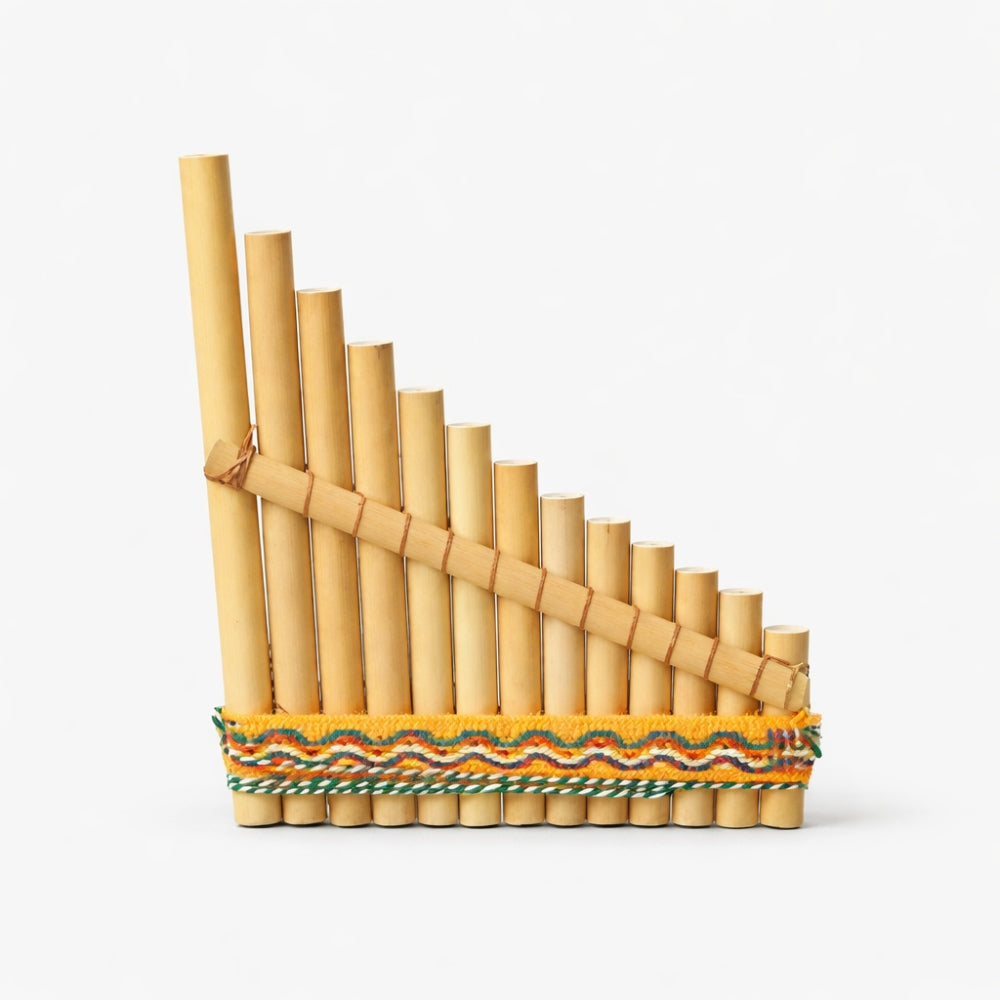
Meditating with instruments blends sound and mindfulness to create a deeply immersive experience. The vibrations from musical tones calm the nervous system, focus the mind, and guide you into presence. Unlike silent meditation, this approach uses sound as a focal point—each note becomes a breath, each vibration an anchor.
1. How to Begin
Start by choosing an instrument that resonates with you—whether it’s a flute, guitar, piano, xylophone, or singing bowl. Find a quiet space, sit comfortably, and take a few deep breaths. Before playing, set a clear intention, such as grounding, gratitude, or emotional release.
2. Flute Meditation
The flute is perfect for meditative breathing. Play soft, sustained notes that match your inhale and exhale. Allow the melody to follow your rhythm naturally—it’s less about performance and more about flow. Even listening to flute music can guide your breath and heart rate into a peaceful tempo.
3. Guitar or Piano
String and keyboard instruments are ideal for emotional release. Play slow, gentle chords or repetitive patterns to form a sound mantra. Focus on how the vibrations move through your body. The resonance of strings can soothe anxiety and balance emotional energy.
4. Xylophone and Percussion
Simple instruments like the xylophone or hand drums connect you to rhythm and presence. Strike each note with awareness and feel the vibration fade before moving to the next. This rhythmic meditation helps bring wandering thoughts back to the moment.
5. Singing Bowls and Prayer Instruments
Singing bowls, bells, and gongs produce long resonant tones that naturally guide the mind into silence. Gently strike or circle the bowl, close your eyes, and let the vibration move through you. These instruments are often used in prayer and sound healing to align body and spirit.
6. Listening as Meditation
If you don’t play an instrument, simply listen. Choose an instrumental playlist or guided sound meditation featuring flutes, strings, or bowls. Focus on one sound at a time, following its rise, sustain, and release. This form of active listening cultivates presence and awareness. Meditating with instruments transforms sound into a bridge between the physical and spiritual. Whether you play or listen, let the tones guide your breath and awareness inward. Each vibration becomes a reminder: peace isn’t found in silence—it’s found in harmony.