This guide will teach us how to play the clave, an essential percussion instrument in Latin and Afro-Cuban music. In this post, we'll explore the history of the claves, get familiar with your new instrument, and learn to play your first rhythm pattern.
The History of the Claves
The word "clave" refers to the instrument itself and to one of the most important rhythms that serves as the foundation for many Afrocentric music styles. The origin of the claves is believed to be found in pieces of wood discovered in the Havana docks. Today, claves are typically made in pairs of uniform cylindrical sticks or solid sticks paired with hollow, slightly larger pieces of wood.
The clave's rhythm and rhythmic concept can be heard in West and Central African music as well as music across the Americas. The claves you're using today may be traditional LP claves, and while some sets come with a solid and a hollow clave, the techniques I'll teach you apply to both types.
How to Hold the Claves
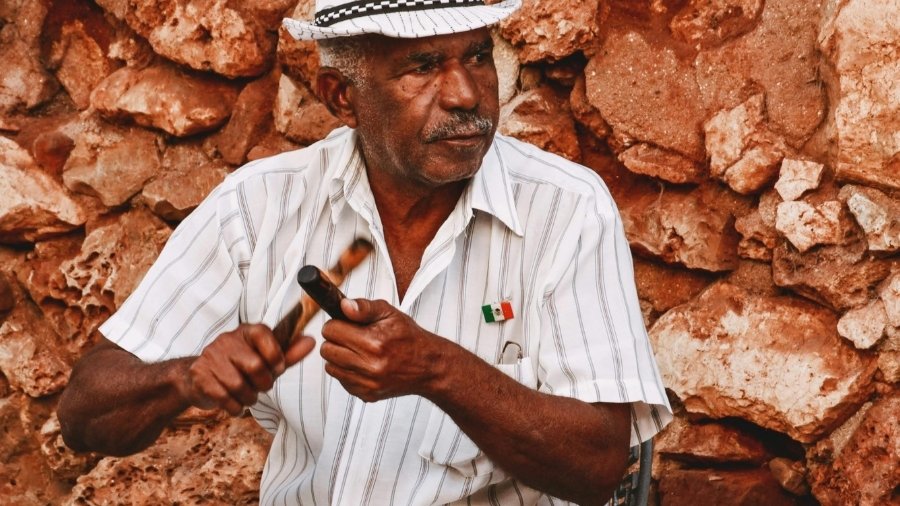
When holding the claves, it's essential to create a slight arch in your hand to help generate a resonant sound when striking the wood. Experiment with the angle of your hand and the portion of the stick you use to strike while focusing on achieving a clean tone.
Playing the Claves: The Son Clave Rhythm
The rhythm we'll focus on is the "Clave de Son in 2-3," one of Latin music's most well-known clave patterns. This pattern is two measures long, with two notes in the first measure and three in the second. The term "2-3" refers to the pattern's placement within a two-measure structure.
Start by playing the first measure with two notes, then follow up with the second measure containing three notes. The rhythm is simple but essential for keeping time in many Latin and Afro-Cuban styles of music.
Practice the Clave Pattern
When you are comfortable with the basic structure of the clave de son in 2-3, you can play along with a practice track. Pay close attention to how the clave interacts with the let's instruments around it and how it fits within the rhythm section.This music pattern is simple is an important part of shaping the groove and swing of the music.
Experimenting with the Claves
Once you get used to the claves, feel free to explore different rhythms and experiment with producing a variety of sounds. The claves are versatile percussion instruments that you can use them to complement any rhythm pattern or music style.