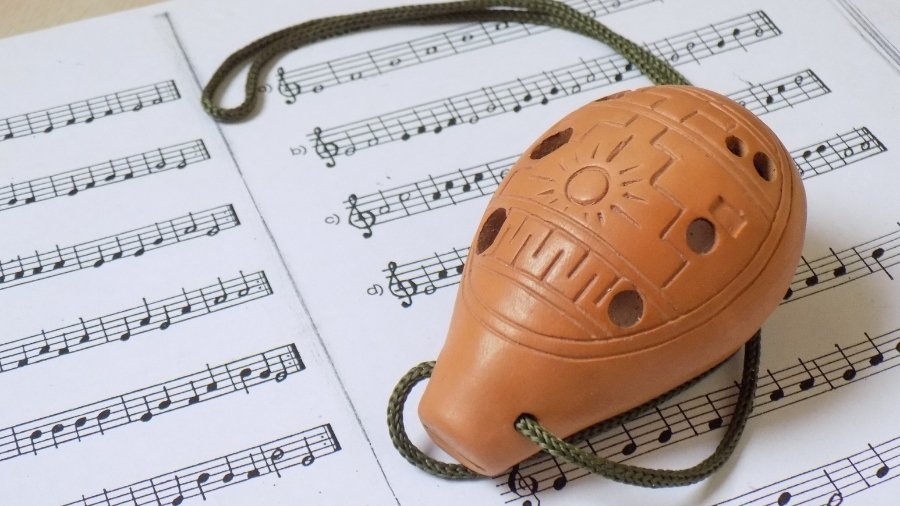
Cheap ocarinas are one of the biggest reasons people think the instrument itself is flawed. Many first-time players buy an inexpensive ocarina online, struggle to play in tune, and assume the problem is them—when in reality, it’s the instrument. This guide breaks down why many low-cost ocarinas, especially on large marketplaces, should be avoided, what actually goes wrong with them, and how to make a smarter choice if you’re buying on a budget.
Why cheap ocarinas damage the instrument’s reputation
A badly made ocarina isn’t just “lower quality”—it can be fundamentally unplayable. Poor tuning, inconsistent breath pressure, and unusable high notes make it impossible to develop good technique. No amount of practice can fix an instrument that doesn’t respond predictably. This is why so many beginners give up early, believing the ocarina is the issue, when it’s actually the manufacturing quality.
What was tested and why it matters
To understand how bad the problem really is, multiple inexpensive 12-hole transverse ocarinas in C were tested from different online vendors. These included both ceramic and plastic models, ranging from novelty replicas to budget “serious” instruments. Testing the same key and style makes it easier to compare tuning, breath curve, tone quality, and ergonomics fairly.
What actually goes wrong with bad ocarinas
Most low-quality ocarinas fail in the same predictable ways: they’re out of tune (with notes that run sharp or flat and octaves that don’t match), they have an unstable breath curve (low notes take almost no air while high notes demand too much, so you end up sharp on the bottom and flat on the top), the sound is thin and airy even when the notes speak, and the hole spacing is awkward—especially for pinkies—causing strain and fatigue. Any one of these issues will slow your progress, but when they stack up, the instrument stops being a learning tool and becomes a guaranteed frustration.
Cheap ceramic vs cheap plastic
A clear pattern shows up with budget instruments: cheap ceramic ocarinas are far riskier than cheap plastic ones. Ceramic ocarinas rely on careful hand-finishing, voicing, and tuning, and when those steps are rushed or skipped to hit a low price, the result is wildly inconsistent quality.
Plastic ocarinas, by contrast, are mass-produced with fixed internal dimensions, so while their tone is often thinner and less refined, they’re much more likely to be in tune and have a playable breath curve. In several cases, low-cost plastic models even outperformed more expensive ceramic ones—not because they were good instruments, but because they were less broken.
The problem with novelty and replica ocarinas
Decorative or game-inspired ocarina replicas are some of the riskiest purchases you can make. Even when they look convincing, they’re usually designed for appearance first and sound second, which often results in severe tuning problems, unstable breath pressure, and high notes that are difficult or impossible to play. Some are barely functional as instruments at all. If an ocarina is marketed mainly as a replica or collectible, it’s safest to assume it won’t be a reliable musical instrument unless there is clear evidence to the contrary.
Why reviews can’t be trusted blindly
High star ratings alone don’t guarantee a good ocarina. Some listings disappear and reappear under new pages, splitting reviews across multiple products, while others benefit from beginners who don’t yet recognise tuning or breath-control problems. An instrument may receive positive feedback simply because it produces sound, even if it actively works against the player. For that reason, a vendor’s long-term consistency and reputation matter far more than individual reviews.
Are any cheap ocarinas worth buying?
Occasionally, a budget ocarina will be playable, and some inexpensive ceramic models can be reasonably in tune with an acceptable tone, but this is the exception rather than the rule. Purchasing at this level is essentially a gamble, because even if one instrument from a vendor turns out well, the next may not. A single good example does not indicate reliable quality control. In short, you get what you pay for.
What to do instead (even on a budget)
If you’re serious about learning, it’s better to wait and save for a properly playable ocarina than to buy a cheap instrument you’ll quickly outgrow or give up on. Buying from dedicated ocarina makers is far more important than chasing the lowest price, as consistency and quality control matter more than cost. If you must choose a plastic ocarina, stick to proven models with a reputation for reliable tuning, and avoid browsing large marketplaces blindly—without knowing specific, trusted brands, you’re simply rolling the dice.
The most important thing to remember
If an ocarina won’t play in tune, it is not your fault, no amount of practice can overcome an instrument that is fundamentally flawed. The ocarina is a beautiful, expressive instrument when it is built properly, but poor construction will sabotage progress and create unnecessary frustration. A handful of decent budget options do not outweigh widespread quality problems, so choose carefully, support reliable makers, and don’t let a bad first instrument ruin your experience.