Sound therapy—also known as sound healing—is the practice of using vibration and frequency to bring the body, mind, and spirit into harmony. It’s based on the principle that everything in the universe vibrates, including our cells and emotions. When frequencies become imbalanced due to stress or illness, sound can help restore natural resonance and equilibrium.
This therapeutic approach has deep roots in ancient cultures—from Tibetan singing bowls and Aboriginal didgeridoos to African drums and Indian mantras—and is now being supported by modern scientific research.
The Science Behind Sound Healing
Sound healing works through the principles of resonance and entrainment—when external vibrations align with the body’s natural frequencies, they help restore balance and harmony. Resonance allows sound to influence organs and energy centers, while entrainment synchronizes brainwaves to promote relaxation and focus.
Scientific studies show that therapeutic sound can lower stress hormones, reduce heart rate, improve circulation, and activate the parasympathetic (“rest and digest”) nervous system. It also enhances alpha and theta brainwave activity, supporting meditation, creativity, and emotional clarity. Emerging research suggests specific frequencies like 432 Hz and 528 Hz may even boost mood and cellular repair.
Benefits of Sound Therapy
Sound therapy offers a gentle yet powerful way to restore balance and calm. Regular sessions can reduce stress, anxiety, and overthinking, promote deeper sleep, and encourage emotional release and improved mood. Many people also experience greater focus, creativity, and relief from physical tension such as headaches or muscle tightness.
While not a medical treatment, sound healing is widely used by therapists, yoga teachers, and wellness practitioners as a complementary practice to support overall emotional and physical well-being.
Common Sound Therapy Instruments

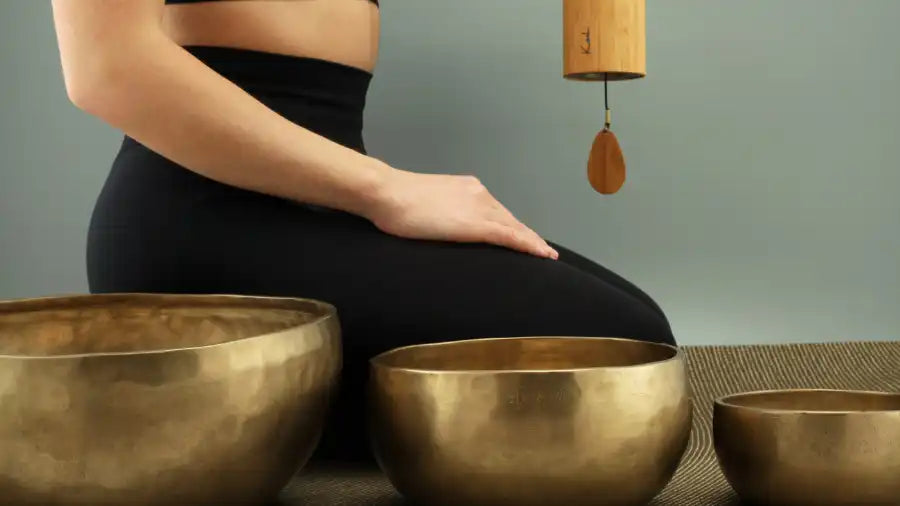
Every sound therapy instrument carries its own healing vibration and purpose. Singing bowls create deep, soothing tones that balance the chakras, while tuning forks deliver precise frequencies like 432 Hz or 528 Hz to restore clarity and harmony. Gongs release blocked energy through powerful resonance, and drums or shakers ground the body with rhythm and movement.
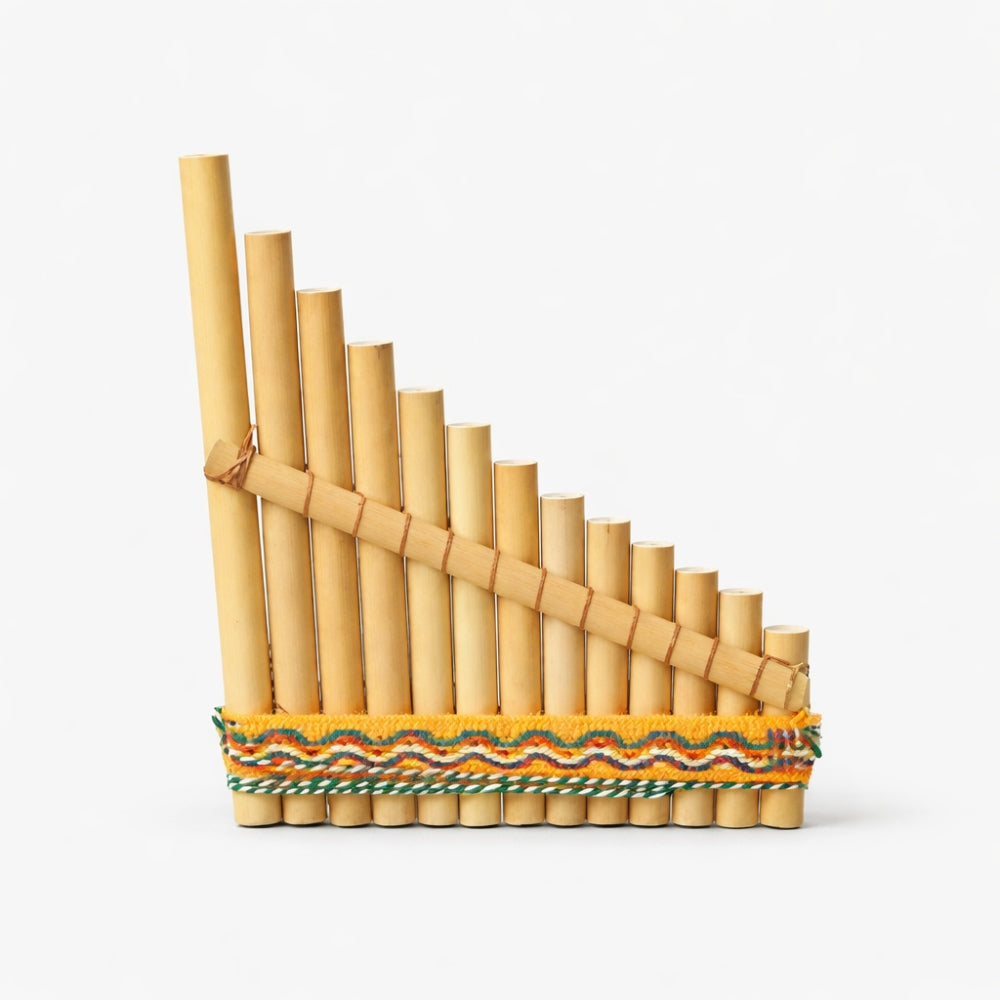
Flutes, kalimbas, and chimes offer gentle melodies that calm the emotions, while the voice—through humming or mantra—serves as the most natural and direct tool for self-healing. Each sound invites balance, presence, and connection between body and mind.
How a Sound Therapy Session Works
A typical sound therapy session lasts 30–60 minutes. You’ll usually lie down or sit comfortably while the practitioner plays various instruments around or over you. The sound waves travel through the air and your body, gently guiding your mind into a relaxed, meditative state.
Some sessions focus on specific goals—such as grounding, chakra alignment, or emotional release—while others are purely for relaxation. Even a few minutes of focused listening can calm your breathing, slow your thoughts, and reset your energy.
Sound Therapy at Home
You don’t need formal training to experience the benefits of sound therapy—just intention and consistency. Begin by playing a singing bowl or chime for a few minutes, listening to solfeggio frequencies or binaural beats, or gently striking a tuning fork near your heart or forehead.
Even humming or chanting a simple “Om” can calm the mind and balance energy. The key is regular practice; when sound becomes part of your daily or weekly routine, its effects on relaxation, focus, and inner harmony grow stronger over time.
Quotes About Sound Healing
“Sound will be the medicine of the future,” said Edgar Cayce—a vision that aligns with Nikola Tesla’s belief that the universe’s secrets are in “energy, frequency, and vibration.”
These insights reflect the essence of sound healing: using vibration not just as art, but as a natural form of medicine that harmonizes the body, mind, and spirit.
Is Sound Therapy Legit?
Yes—sound therapy has a growing base of evidence supporting its physiological and psychological effects. It’s now used in hospitals, wellness centers, and corporate mindfulness programs. However, it should not replace medical care for physical or mental health conditions. Instead, think of it as a complementary tool that enhances balance, recovery, and peace.
Getting Started
Sound therapy isn’t about perfection—it’s about presence. Whether you listen, play, or simply feel vibration, each tone brings your mind back to now. Start exploring with a singing bowl, gong, or kalimba—each one offers a pathway to calm and clarity.