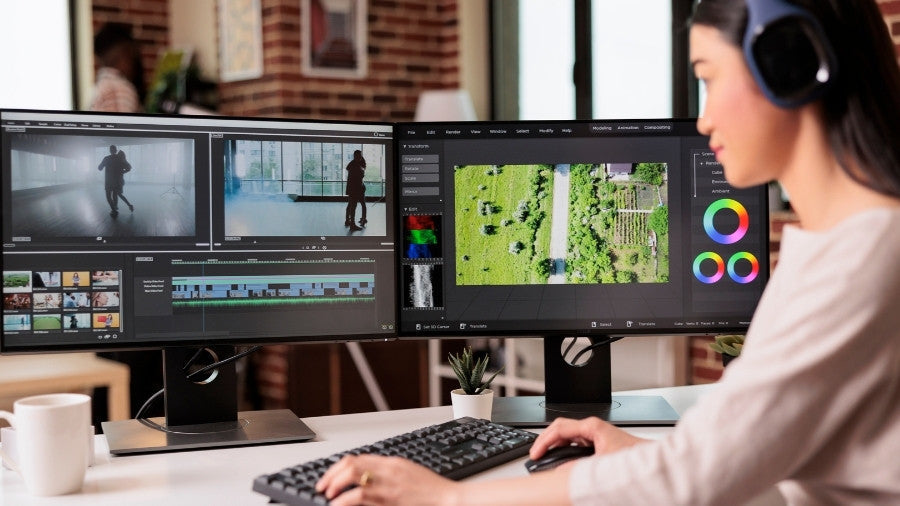
Music videos are more than visuals—they’re storytelling tools that define how audiences experience your song. From cinematic narratives to live performances, every style serves a different purpose and connects emotionally in its own way. Understanding these formats helps you choose the right approach for your music, genre, and message.
1. Performance Video
The most classic format—show the artist performing the song. Think Johnny Cash’s “Hurt” or Justin Bieber’s “Peaches.” Performance videos focus on emotion and energy, whether filmed live or lip-synced. Use dynamic lighting, camera movement, and close-ups to keep viewers engaged.
2. Narrative Video
A storytelling video that visually interprets the lyrics or theme. This can follow a clear plot, like Adele’s “Hello” or Jinx and Ekko’s animated stories. Build your video like a short film—define characters, location, conflict, and resolution.
3. Conceptual Video
These use symbolism, abstract visuals, or surreal imagery—like Sia’s “Chandelier.” Perfect for experimental artists, this type prioritizes emotion and atmosphere over storyline. Use color, motion, and contrast to create mood.
4. Lyric Video
Popular for new releases and indie artists, lyric videos display animated or stylized text. Great examples include Coldplay’s “Something Just Like This.” Tools like After Effects, Canva, or Veed.io make them easy to create affordably.
5. Animated Video
From 2D sketches to 3D renders, animation brings limitless creativity. Artists like Gorillaz and A-ha have used animation to build unique visual worlds. Perfect for songs in any language—from Hindi to Japanese or Amharic—animation crosses cultural barriers easily.
6. Black and White Video
A timeless aesthetic choice used by legends like Johnny Cash and modern artists like Jennie (BLACKPINK). Shooting in black and white adds emotion, grit, or nostalgia. Focus on lighting and contrast rather than color.
7. Dance Video
Centred around choreography—seen in K-pop, hip-hop, and Latin music. Whether it’s a studio shoot or street dance, movement drives engagement. Collaborate with dancers or choreographers to sync steps to your rhythm.
8. Montage or Compilation Video
Combine clips from live shows, behind-the-scenes moments, or fan-submitted videos. Artists like Ed Sheeran and Jason Derulo use this approach to connect personally with fans while saving on production costs.
9. Cinematic Video
High-budget, film-style productions like Helena Christensen’s work in Chris Isaak’s “Wicked Game” or “Here Comes the Sun” covers use dramatic visuals and storytelling depth. Achieve this look with careful lighting, grading, and location choice—even on a small budget.
10. Themed Video
Celebrate identity,, or genre—whether it’s Hindi ballads, Bangla pop, Amharic soul, Irani classics, or French jazz. These videos highlight traditional visuals, costumes, and storytelling unique to each culture, offering authenticity and emotional power. Each music video type serves a purpose: performance builds connection, narrative tells a story, and conceptual stirs curiosity. The best choice depends on your message, resources, and audience. Start simple, experiment often, and focus on emotion over budget—the right concept will always resonate.
Next Step
Ready to bring your vision to life? Enroll in our upcoming Music Video Production Course (Coming soon) to learn storyboarding, filming, and editing techniques for every video style.