
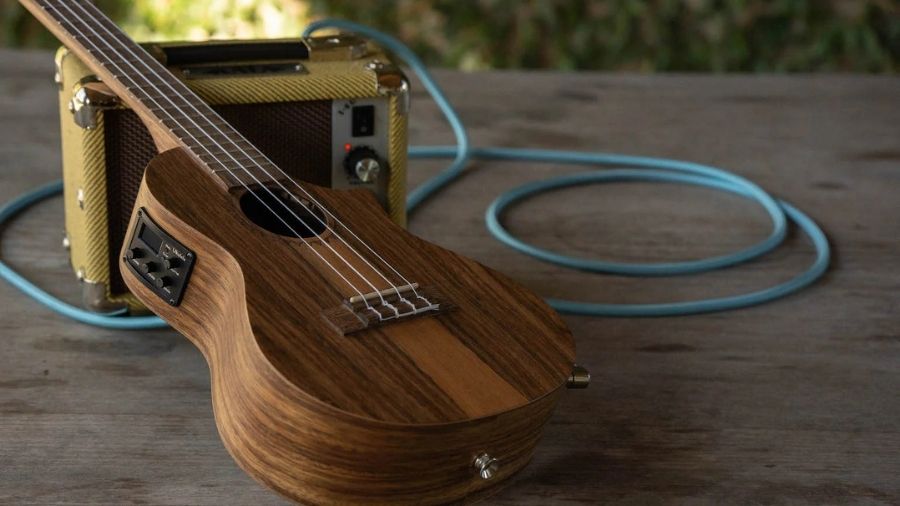
When choosing a new ukulele, one of the biggest questions is whether to buy a pure acoustic model or one with electronic capabilities. The promise of an electric ukulele—power, effects, and stage readiness—is tempting. However, the reality of practice often involves trade-offs that buyers overlook. We understand the buying phase is crucial, and the best instrument is the one you will actually use. We will explore the facts behind performing, recording, and the hidden cost of "friction" to help you choose the best instrument for your musical life.
Performance and Production
Electronics truly become a necessity in just two main scenarios: performing and professional recording. When performing on stage—whether in a band, at a concert, or in a large venue—an electric or acoustic-electric ukulele is essential because a sound technician needs to run a direct line via a cable from your instrument to the main soundboard to mix and amplify your sound reliably; while a microphone can be used, a direct cable is far cleaner, prevents feedback, and has become the professional standard for live performance. For professional recording, an electric ukulele with a built-in pickup is often recommended because it provides a clean, raw signal straight to the recording interface, giving the producer maximum control over tone in post-production—however, recording a pure acoustic ukulele with a high-quality condenser microphone remains a classic technique and often delivers a richer, more natural sound, making the microphone method a strong and respected alternative.
Friction and The Practice Barrier
Most people buy a ukulele for casual, everyday practice and enjoyment. This is where the allure of "electric" often clashes with reality due to what we call friction. When you own an electric or acoustic-electric ukulele, using the electronic function requires a cable, an amplifier, and often external speakers. This necessity creates a setup barrier. When you want to play a quick song, do you want to plug in three devices, or simply take the ukulele out of its case and start strumming? If you play for fun, the electrical setup process can become too much of a chore, discouraging the daily habit. Furthermore, playing through an amp is often too loud for a home environment, disturbing others and adding social friction to your practice time. Many players, including our experts, find they use their acoustic-electric hybrid purely as an acoustic instrument because the pure acoustic experience is immediate, silent, and satisfying.
Are You Willing to Pay for Potential?
The electronic capability is a significant upcharge. When you buy an acoustic-electric model, you are paying for the pickup system (the electronics) and the necessary preamp hardware. Before you commit to this extra cost, ask yourself honestly: Will you actually use the electric function often enough to justify the price?
If your primary focus is learning, playing around the house, traveling, or street performing in quiet spaces, the pure acoustic model provides 100% of the functionality you need without the added cost or the daily friction. If you plan to perform monthly or record professional tracks, the acoustic-electric hybrid is a sensible compromise—it gives you the best of both worlds, even if you only plug in occasionally.
The Only Ukulele Guide You'll Ever Need

Once you have made the decision and bought your instrument—whether it's a dedicated acoustic or a versatile hybrid—your next, most important step is learning to play it. Every beginner faces the same problem: how to move past random strumming to confident, musical playing.
The Complete Ukulele Player eBook is the single resource designed to solve this problem. It is your comprehensive, step-by-step guide to mastering your new instrument, covering everything from basic chords and tuning to advanced strumming patterns and rhythm. It provides the structured path you need to turn your new ukulele into a lifelong passion.


