In the past, people bought CDs from shops like HMV. Today, almost any song can be streamed instantly from a mobile device. Apple has played a major role in this shift, not only through Apple Music, but through earlier innovations such as iTunes and the iPod, which helped redefine how music is accessed, shared, and experienced. Apple Music represents a turning point in how music is distributed, discovered, and created, influencing both listeners and musicians worldwide.
How Apple Music Reshaped Music Distribution
Apple Music helped accelerate the industry’s move away from physical formats toward digital access. Music became more immediate, affordable, and globally available, allowing listeners to explore vast libraries without owning physical media. For artists, this shift reduced reliance on traditional distribution channels such as record labels, physical sales, and radio airplay. Music could reach a worldwide audience instantly, opening new pathways for independent and emerging musicians to share their work directly with listeners.
The Return of Instrumental Music
Streaming platforms like Apple Music have also contributed to a renewed interest in instrumental music. Previously seen as niche or background listening, instrumental tracks are now easier to discover and explore across genres including classical, ambient, electronic, and traditional music. Curated playlists and search-driven discovery have allowed instrumental music to find new audiences, encouraging listeners to engage with music beyond lyrics and vocals.
Supporting Emerging Artists
Apple Music has become an important platform for emerging artists by offering visibility through curated playlists, editorial features, and discovery tools. Rather than focusing solely on mainstream releases, the platform helps listeners encounter new music from developing musicians across genres. This has made Apple Music a launch point for many artists, while giving listeners access to music that may not have reached traditional channels.
Curation, Discovery, and Personalisation
A defining feature of Apple Music is its combination of human curation and personalised recommendations. Instead of relying purely on algorithms, Apple Music blends editorial insight with listener preferences to guide discovery. This approach has shaped how people explore music, making discovery more intentional and encouraging deeper engagement with unfamiliar styles, artists, and sounds.
Apple Music and Music Creation
Beyond listening, Apple Music has influenced how musicians create and interact with music. Integration with Apple’s ecosystem allows instruments, recording tools, and production software to connect seamlessly with devices, simplifying the creative process. This has lowered barriers to music creation, enabling more people to experiment, record, and develop their musical ideas.
Apple Music in Context
When Apple Music entered the streaming landscape, it did so alongside competitors offering large catalogues and subscription access. While some platforms prioritised ecosystem convenience or voice integration, Apple Music differentiated itself through artist relationships, human-curated playlists, and integration with music creation tools. Rather than competing solely on price or catalogue size, Apple Music helped shift streaming toward more active musical engagement, influencing how listeners discover music and how musicians create, distribute, and connect with audiences.
From Listening to Playing

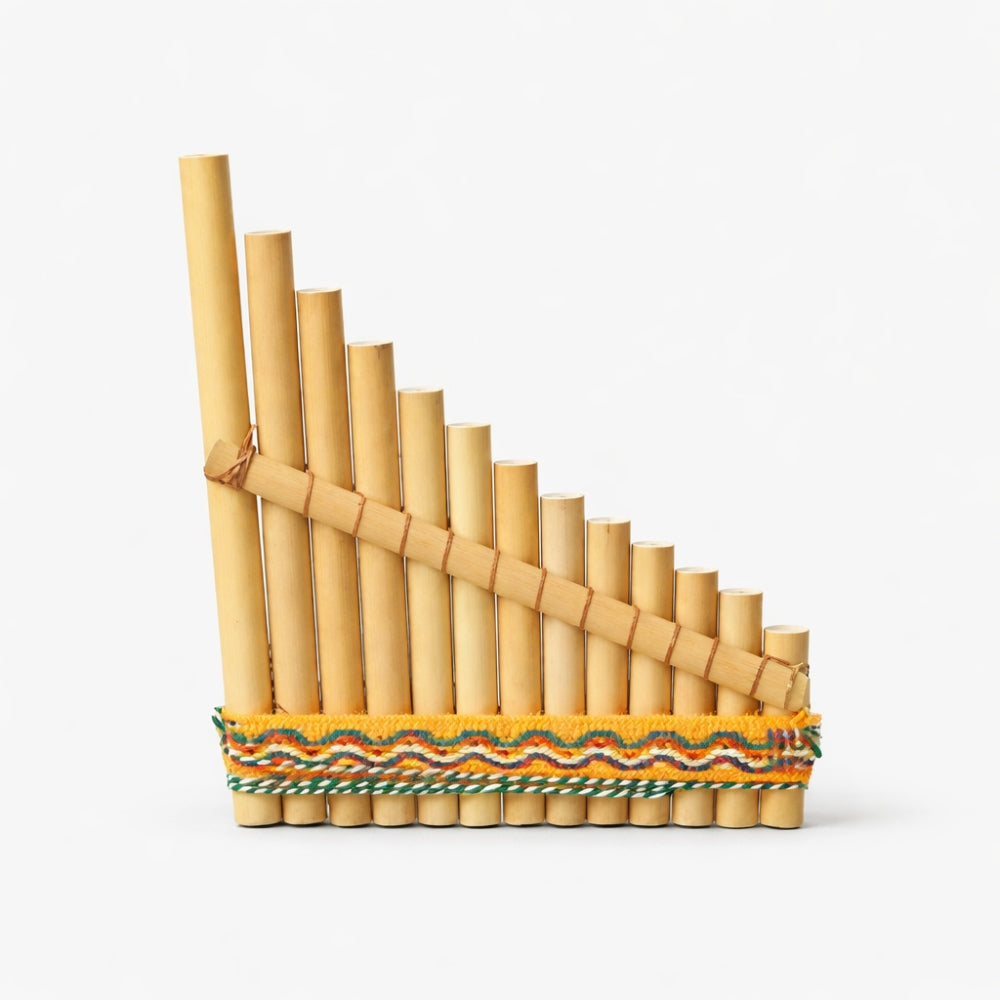
Streaming platforms like Apple Music have introduced millions of listeners to instrumental sounds from around the world. For some, that discovery sparks a natural curiosity. Many traditional and handmade instruments are intuitive making them an accessible way to turn listening into participation.