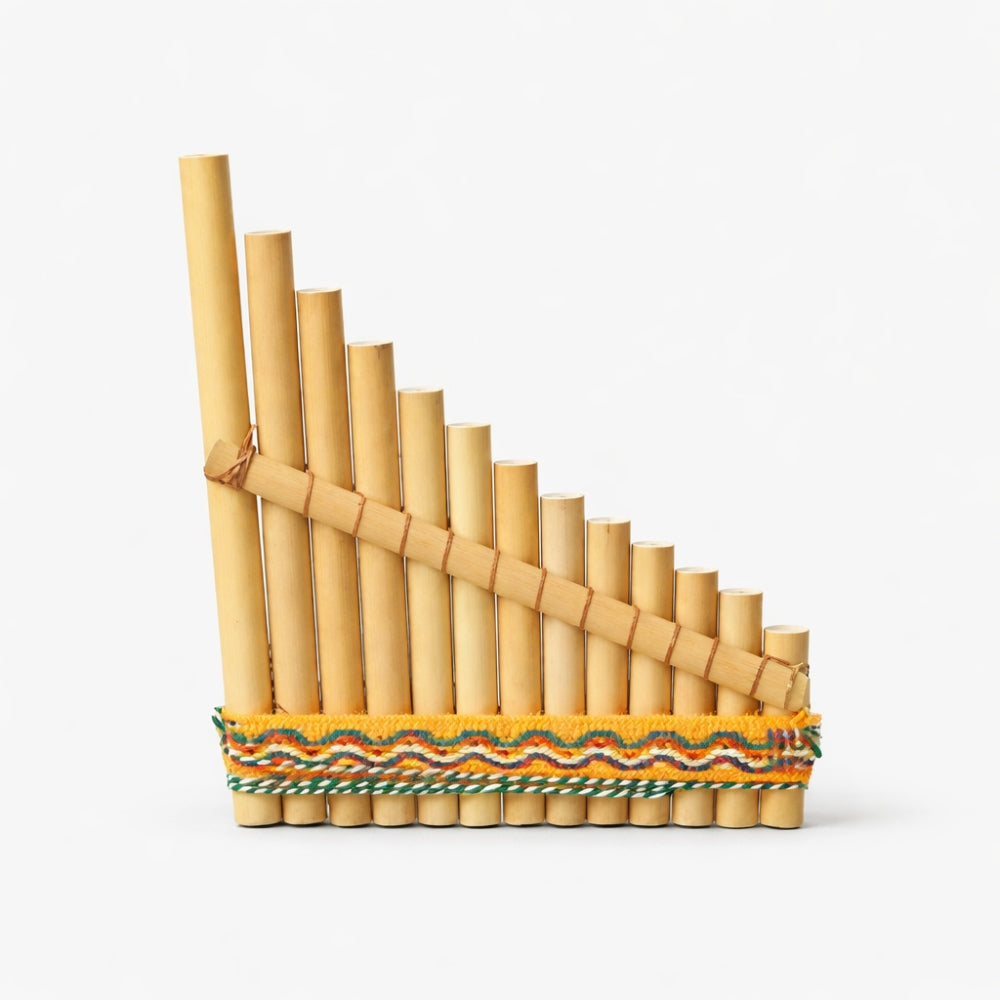
The quena flute is one of the most expressive traditional flutes in the world, but many beginners wonder whether it’s too difficult to start with. Unlike modern Western flutes, the quena has no keys and relies entirely on breath control and embouchure. This makes it more demanding at first but also deeply rewarding once the basics are understood. Whether the quena is suitable for you depends on what kind of beginner you are and what you expect from the learning process.
What Makes the Quena Different From Other Flutes?
The quena is an open-notch flute traditionally made from wood or bamboo and tuned to F♯. Instead of blowing into a mouthpiece, you blow across a V-shaped notch at the top. This design gives the quena its warm, earthy, slightly breathy tone, but it also means sound production is less forgiving than on recorders or key-based flutes. Small changes in lip angle and air direction make a big difference.
Is the Quena Hard for Absolute Beginners?
Yes, the quena has a steeper starting curve than many beginner flutes. Producing a clean note takes practice, especially if you’ve never played a wind instrument before. That said, difficulty does not mean unsuitable. Many beginners successfully learn the quena by focusing on breath control first rather than rushing into melodies. Once the basic tone is stable, finger placement and note changes feel intuitive.
What Type of Beginner Is the Quena Best For?
The quena suits beginners who are patient, curious, and drawn to expressive sound rather than instant results. If you enjoy slow progress, tonal exploration, and learning through repetition, the quena is a strong choice. It’s less suitable for very young players or anyone looking for immediate, effortless sound production.
How Do You Play the Quena?
Hold the quena vertically and rest the top edge just below your bottom lip. Blow gently across the notch rather than directly into it, adjusting the angle until the note speaks clearly. Finger holes are covered and uncovered to change pitch. Breath pressure, not force, is key soft, focused air produces the best tone.
What Is the Quena Used For?
The quena is widely used in traditional Andean and Peruvian music to create emotional, melodic lines. Its sound is often described as melancholic, reflective, and deeply human. Beyond folk music, it’s also used in world music, film scores, and solo performance for its distinctive character.
Where to Buy a Quena Flute