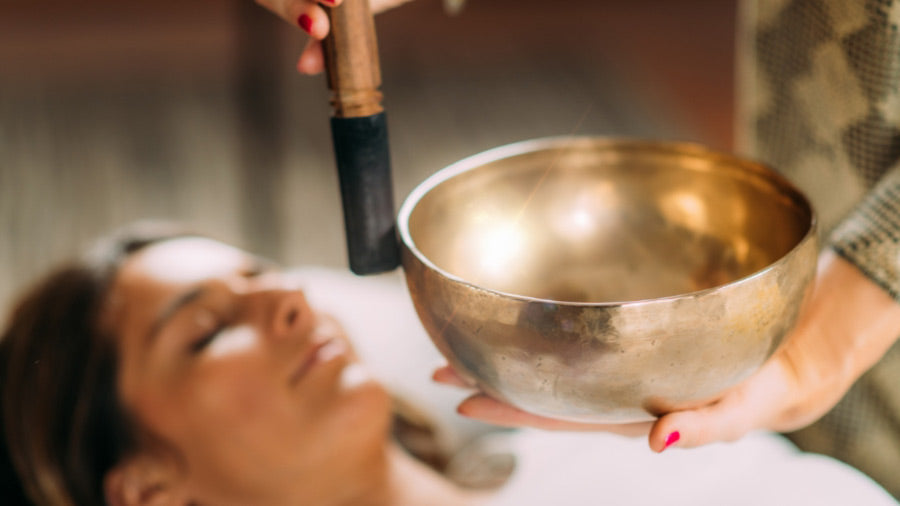
Sound Therapy (Complete Guide)

Sound therapy is an ancient healing practice that uses sound, vibration, and frequency to support relaxation, emotional balance, and overall well-being. In this complete guide to sound therapy, you’ll learn what it is, how it works, its historical origins, and its potential benefits for mental health, stress relief, and conditions such as tinnitus, along with the key tools, everyday uses, and learning pathways for personal or professional practice worldwide.

What is sound therapy? 

Sound therapy is a holistic wellness practice that uses sound, vibration, and frequency to support relaxation, emotional balance, and overall well-being by helping the body return to a state of harmony. It is based on the principle that the body and mind naturally vibrate at specific frequencies, and that stress, illness, or emotional strain can disrupt this balance.

In sound therapy, instruments, voice, or sustained tones are used to deliver intentional vibrations that the body responds to physically and neurologically, promoting calm, stress reduction, and self-regulation. Unlike music therapy, which is a clinical practice led by certified therapists, sound therapy focuses on vibrational experience and can be passive or participatory, allowing individuals to engage with sound as a supportive, complementary approach to wellness rather than a medical treatment.

The history of sound therapy

The history of sound therapy spans thousands of years and cultures, rooted in the universal belief that sound can restore balance to the body and mind. Ancient Greeks used music to treat mental illness, while Indigenous cultures around the world relied on drumming and chanting for healing and spiritual grounding. In Tibet, metal singing bowls were developed for meditation and energetic balance; Aboriginal Australians have used the didgeridoo for over 40,000 years as a therapeutic instrument; and in India, mantras and chants became central to spiritual and healing traditions.

Ancient Egyptians also practiced vocal toning and instrumental music in healing temples. Modern sound therapy builds on these ancient practices, combining them with contemporary neuroscience to understand how vibration influences the brain, nervous system, and emotional regulation.

The benefits of sound therapy 

The benefits of sound therapy include reduced stress and anxiety, improved sleep, emotional balance, and deeper relaxation by calming the nervous system through rhythm and vibration. By slowing brainwaves from active states to relaxed, meditative ones, sound therapy can lower heart rate, ease muscle tension, and support emotional regulation.

Many people also use sound therapy to help manage tinnitus through sound masking, improve focus and mood, and support sensory regulation for conditions such as ADHD or autism. While scientific research is still developing, sound therapy is widely reported to promote a sense of balance and well-being by encouraging the body’s natural healing response through vibrational resonance.

Sound Therapy Courses and Training

Sound therapy courses and training teach how to use sound, vibration, and instruments such as singing bowls, gongs, tuning forks, and voice to support relaxation and emotional balance. Training ranges from beginner workshops to accredited diplomas and professional certifications, covering sound science, basic anatomy, and safe practice, and is available both online and in person through recognised programs in the UK, India, and worldwide.

Tools, essentials (and where to buy them)

1. Meditation Chimes

The front of the matsu meditation brass chimes 

Chimes are used in sound therapy to promote relaxation, mindfulness, and emotional balance through their gentle, soothing tones. The soft, resonant sounds help calm the nervous system, reduce stress, and support meditative states, making them ideal for guided meditation and relaxation practices. In sound therapy sessions, chimes are often played alone or alongside instruments like singing bowls, gongs, or drums to enhance focus, create a peaceful atmosphere, and deepen the overall therapeutic experience.

Explore meditation chimes here.

2. Singing bowls

 brass singing bowl with beater and necklace in backdrop

Singing bowls are commonly used in sound therapy to promote deep relaxation, meditation, and emotional balance through sound and vibration. When struck or played with a mallet, a singing bowl produces rich tones and harmonics that many people find calming, helping to slow brainwaves and ease physical and mental tension. During a session, individuals typically sit or lie comfortably while the sound fills the space, or the bowl may be gently placed on or near the body to transmit vibration directly. These resonant frequencies are widely used to support mindfulness, stress reduction, and a sense of inner calm.

Purchase Singing Bowls here.

3. Metal Gongs

brass gong with hanging loop and handmade beater 

Gongs are powerful instruments in sound therapy, valued for their deep resonance and rich harmonics that support relaxation, meditation, and emotional release. When played, a gong produces sustained vibrations that many people experience as deeply calming, helping to reduce stress, ease tension, and encourage a meditative state during practices such as gong baths. These expansive sound waves are often used to promote a sense of balance and renewed energy, and gongs are frequently combined with meditation, yoga, breathwork, or other sound therapy instruments to create immersive soundscapes that enhance overall well-being.

Discover our Brass Gongs here.

4. Shamanic Drums

Plain medium shamanic drum from Indonesia

Shamanic drums are used in sound therapy to create rhythmic patterns that promote relaxation, grounding, and emotional release. Repetitive drumming helps quiet the mind, synchronize brainwave activity, and encourage meditative states, making it effective for reducing stress and releasing physical and emotional tension. In sound therapy sessions, drums may be played by a practitioner or used in group drumming circles, where rhythm supports connection, self-expression, and a sense of calm. Drums are often combined with practices like breathwork or guided imagery, making them a versatile and accessible tool for supporting overall well-being through sound and rhythm.

Check out our collection of drums here.

5. Pillows

Pillows play a supportive role in sound therapy by enhancing physical comfort and helping individuals relax fully during sessions. Placed under the head, neck, or knees, they allow the body to rest comfortably so attention can remain on the therapeutic sounds and vibrations. Pillows also help create a calm, safe environment—particularly in group sessions—by supporting personal comfort and reducing physical strain, making them a simple but valuable accessory in sound therapy practice.

6. Mettalophone chimes

8 note aura meditation chimes from Indonesia 

Mettalophone chimes are used in sound therapy to introduce bright, melodic tones that support relaxation, emotional expression, and mental clarity. Their clear, resonant notes can help create a calm, uplifting atmosphere, making them suitable for meditation, visualization, and gentle rhythmic play. Mettalophones may also support sensory engagement and focus through their percussive sound, making them a versatile tool for both passive listening and active participation in sound therapy sessions.

Buy mettalophones here.

Other Musical Instruments Used

musical instrument bundle sound therapy gong tingsha rainstick and singing bowl.

Sound therapists use a variety of instruments to create healing vibrations, from singing bowls and tuning forks tuned to 432 Hz or 528 Hz, to gongs, drums, and chimes that promote grounding and deep relaxation. Some incorporate binaural beats, sound therapy devices, or even their own voice through toning and mantra chanting. Each tool is carefully chosen to target specific frequencies that support emotional and physical balance. Ready to explore the world of sound healing yourself?

Explore our collection of musical instruments.

Sound Therapy (Frequently Asked Questions)

Does sound therapy actually work?

Sound therapy can work by calming the nervous system and shifting brainwaves into deeply relaxed states, which helps the body activate its natural self-healing response. Research suggests that sound and vibration can reduce stress, lower mental overactivity, and support emotional balance by slowing brain activity and promoting relaxation. While it is not a medical treatment, many people experience measurable benefits such as reduced anxiety, improved sleep, and a greater sense of well-being when sound therapy is used consistently as a complementary practice.

Who benefits from sound therapy?

Research suggests that sound and music can effectively contribute to the healing of various mental, emotional, and even physical ailments. It has proven valuable as a treatment for conditions like depression, anxiety disorders, and PTSD.

Can I do sound therapy at home?

Numerous tools can be easily used and bought for creating a sound healing experience at home. Common choices include singing bowls, gongs, and tuning forks.
What is vibrational therapy and is it safe?

Vibrational therapy is a holistic wellness practice that uses sound or physical vibration—such as singing bowls, tuning forks, gongs, or voice toning—to support relaxation and help calm the nervous system through resonance. It is generally safe for most people when used gently and mindfully, but those who are pregnant or have heart conditions, neurological or spinal issues, tinnitus, or sound sensitivity should consult a healthcare professional first. Vibrational therapy is a complementary approach, not a medical treatment, and should always feel soothing rather than overwhelming.

Leave a comment

All comments are moderated before being published

Featured products

handcrafted antares panpipes from Peru
Antares Bamboo Panpipes
Sale price£15.00
Only 3 units left
quena andean flute with colourful case
Quena Andean Flute
Sale price£60.00
Only 1 unit left
The natural coconut shell 7 note thumb piano kalimba with carved gecko design held in the hand to show scale size.
Kuta Thumb Piano Kalimba 7 note - Natural
Sale price£20.00
Only 1 unit left

Blog posts

View all
Silhouette of a person playing a Djembe drum and carefully tending to the instrument.

How to Tune and Care for Your Djembe Drum

DjembeRyan Bomzer
Proper tuning and care keep your djembe sounding rich, responsive, and comfortable to play. A well-maintained drum not only sounds better but also ...
Close-up of hands performing a fast glissando on a carved wooden kalimba, with motion-blurred thumbs and sharp focus on the metal tines.

3 Advanced Kalimba Techniques to Play Better

KalimbaRyan Bomzer
Once you’re comfortable with basic melodies, a few simple techniques can instantly make your kalimba playing sound more expressive and musical. Tre...
Varieties of Jaw Harps on a box

Cast Iron vs Brass Jaw Harp: What’s the Difference?

MusicRyan Bomzer
Cast iron and brass jaw harps may look similar, but the material changes how they feel, sound, and behave in use. The difference is not about which...