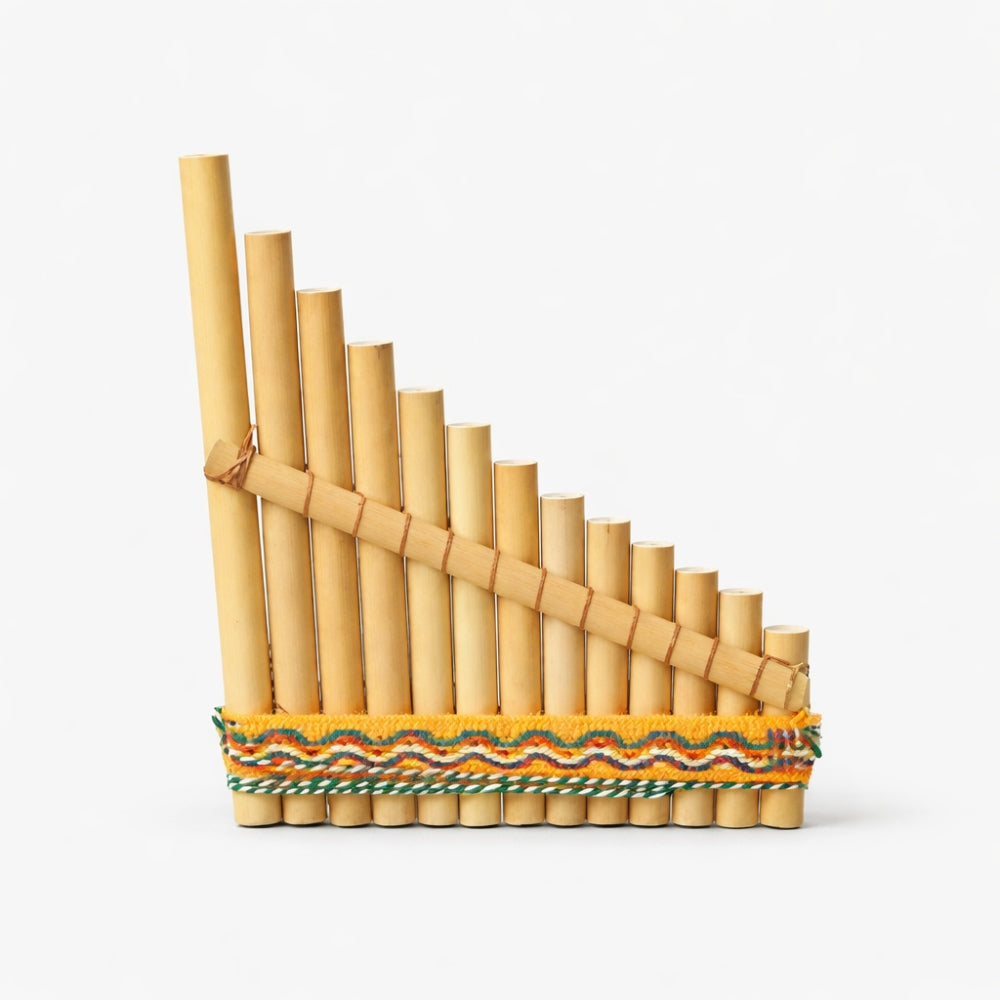
Panpipes are a wind instrument that has been around for thousands of years, with their origins dating back to ancient civilizations. This instrument can be found in various genres of music across different countries, each with their unique style and sound. In this blog post, we'll explore the history of panpipes, exploring their origin, research, facts, and their presence in different countries.
The Origin and History of Panpipes

Panpipes also known as pan flutes originated in ancient Greece and were made from hollow reeds named after the god Pan. They were used in religious ceremonies and spread to Rome where they became popular among shepherds. The instrument has a rich history in South America particularly in the Andean regions of Peru, Bolivia, and Ecuador where it is used in traditional music and ceremonies.
Panpipes are known for their unique sound and have been adopted by various cultures worldwide including in Africa where they are called "Siku" and made from bamboo. The instrument is played in groups and in countries like Peru it is performed in large ensembles called "conjuntos." The panpipe is also an important part of life in the Solomon Islands where it preserves traditions through ceremonial music. Although their origins are not fully clear, panpipes have left a mark on many musical traditions around the world.
The most famous pan flutists around the world

Matthias Schlubeck, a Spanish panflutist, is known for his virtuoso performances and unique style, blending traditional and contemporary music across numerous international albums. Simion Stanciu, also known as Syrinx from Switzerland, has collaborated with renowned musicians and recorded extensively, creating a sound that merges diverse styles.
German flutist Ulrich Herkenhoff brings an innovative approach, combining traditional and modern elements, while Dutch musician Noortje van Middelkoop showcases virtuosity through performances and recordings that mix classic and contemporary influences.
Gheorghe Zamfir, perhaps the most famous of all, has recorded over 300 albums and performed worldwide, popularizing the pan flute with his passionate renditions of both traditional and modern pieces. Together, these artists demonstrate the panpipes’ versatility, expressive potential, and enduring global appeal.
Start Playing the Panpipes Today

Inspired by these musicians and the history of the panpipes? You can start playing yourself with The Complete Panpipes Player by Ryan Bomzer. This step-by-step guide includes 20 fully notated melodies, clear diagrams, tuning tips, and note charts, making it easy and enjoyable to learn at your own pace. Whether you’re a complete beginner or looking to improve your skills, you can download the PDF instantly and start creating music today—no prior experience needed.