A kalimba, the African acoustic thumb piano, used for relaxation and anti-stress music, symbolizing calming sound and mindfulness techniques.

If you’re reading this, you are likely at a common crossroads for any passionate musician: is my current instrument limiting my growth, or am I overlooking a simple fix? The truth is, both options can be right. Your kalimba might be struggling with a fixable issue, or your skills may have simply outgrown its current capabilities.

As enthusiasts of unique acoustic instruments, we believe in supporting your practice journey. Before you commit to buying a new kalimba, we'll explore why your current one might be falling short and help you decide if a simple fix is all you need, or if it’s time for a genuine upgrade to a higher-quality instrument.

Is It Broken, or Just Out of Tune?

A poor-sounding kalimba doesn't always signal the need for a new instrument; it often points to a fixable maintenance issue. Building trust starts with knowing how to maintain your current instrument.

The most common pain point is poor tuning stability. If your tines are constantly going flat or sharp, the instrument is not broken—it needs maintenance. You can solve this by using a Tuning Hammer to adjust the tines yourself, or by seeking a professional tuning service to reset the instrument's pitch. Another common complaint is dead or buzzing tines. Before upgrading, check if the tines are fully tightened to the bridge or if the issue is lint or debris. Addressing these simple maintenance tasks often restores the sound quality completely, eliminating the need to spend money on a new instrument.

When Key Count Limits Your Musical Growth

The most compelling reason for an upgrade involves the number of keys. Many beginners start with smaller instruments like a 5-note or Chisai Pocket Kalimba (8 Note). These are perfect for simple melodies and meditative focus. However, if you are struggling to play more complex songs, or if you feel musically limited by the notes you have, your instrument is officially hindering your growth.

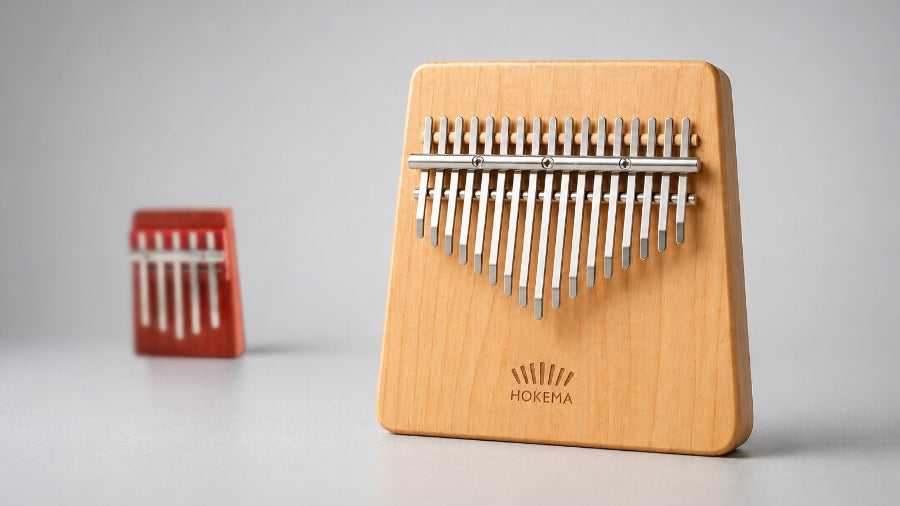
Moving from an 8-note kalimba to a standard 17-Note Yulin Kalimba or Hokema Kalimba dramatically expands your available melodic range, allowing you to play complex pieces, more popular songs, and explore different musical scales. If your desire is to expand your repertoire and challenge yourself with new music, the solution is not a fix, but a necessary key-count upgrade. (If you only have an 8-key pocket kalimba, even purchasing The Complete Kalimba Player (eBook) will give you more song options to explore your current keys before you upgrade.)

When Sound Quality Truly Requires an Upgrade

If your kalimba is perfectly in tune and well-maintained, but you are still dissatisfied with the sound quality, an upgrade is definitely warranted. This is often the case with very inexpensive, mass-produced instruments made from thin or lower-quality woods.

Higher-end kalimbas, such as the German-made Hokema kalimbas or a well-crafted Magadi Kalimba, are built from superior hardwoods or use unique resonance-enhancing materials (like the Sansula's membrane frame). This difference in material directly translates to clearer resonance, longer sustain, and a richer overall tone.

You may also be seeking instruments with a more cultural or unique narrative, such as a hand-painted Turtle Kalimba or one made from materials like coconut or gourd. Upgrading in this case is not just about sound, but about investing in art, culture, and narrative—making the instrument a true tool for personal motivation.

Woman holding a wooden kalimba with a tablet displaying music book in front of a Christmas tree.

Choose the right kalimba for you 

Your decision is not about finding the single "best" model, we want you to buy a new kalimba only if you genuinely need one. If your issue is related to tuning or an out of tune tine, your current instrument is good enough—just grab a Tuning Hammer or use our tuning video to restore it.

It's time for an upgrade when your growth is truly limited. If you seek simplicity, choose a compact 8-key model. If your ambition requires versatility and learning the full range, you need the standard 17 keys. Once you know your key count, decide between the louder, wah-wah ready Hollow Body or the quieter Solid Body. When you are ready for a new instrument that offers the superior resonance and cultural artistry that reflects your dedication, we are ready to guide you.
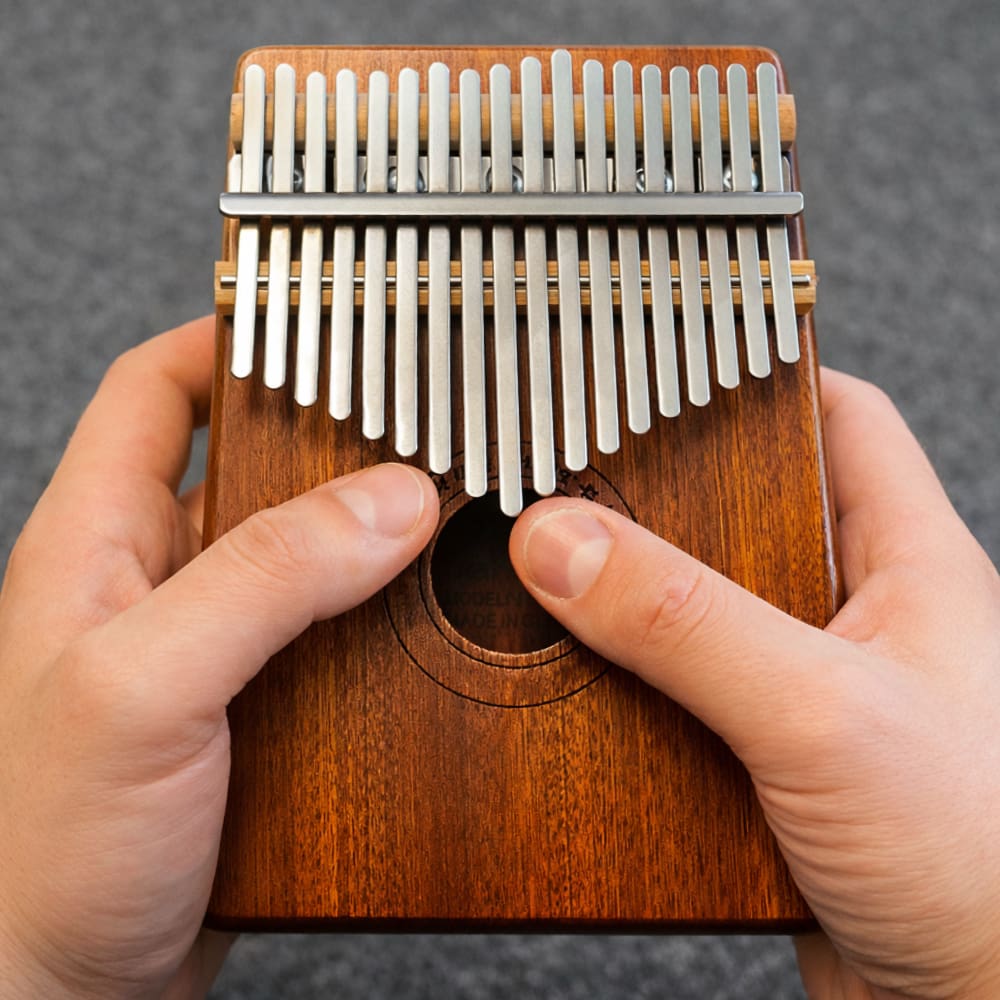
Explore Our Handmade Kalimba Collection

Leave a comment

All comments are moderated before being published

Featured products

handcrafted antares panpipes from Peru
Antares Bamboo Panpipes
Sale price£15.00
Only 2 units left
quena andean flute with colourful case
Quena Andean Flute
Sale price£60.00
Only 2 units left
The natural coconut shell 7 note thumb piano kalimba with carved gecko design held in the hand to show scale size.
Kuta Thumb Piano Kalimba 7 note - Natural
Sale price£20.00
Only 1 unit left

Blog posts

View all
A kalimba, the African acoustic thumb piano, used for relaxation and anti-stress music, symbolizing calming sound and mindfulness techniques.

When Should You Upgrade Your Kalimba

MusicRyan Bomzer
If you’re reading this, you are likely at a common crossroads for any passionate musician: is my current instrument limiting my growth, or am I ove...
Close-up of a girl’s hands playing a glockenspiel with mallets.

10 Glockenspiel Exercises for Beginners

MusicRyan Bomzer
The glockenspiel—German for "bell play"—is a joyous instrument that provides a clear, bell-like tone, making it perfect for developing melody and r...
A traditional ethnic musical instrument displayed in a culturally rich setting.

The 5 Most Overpriced Instruments

MusicRyan Bomzer
In the world of music, an expensive instrument doesn't always guarantee quality. At Carved Culture, we believe the true value of an instrument is f...