Ocean drum were developed in the 1970s to creates smooth wave-like sound by moving beads across the surface. These instruments are now used in music, sound therapy, meditation, and sound baths, it’s valued for its calming and immersive effect. The size, material, and build quality directly affect how realistic and controllable that sound is, and this guide shows you exactly what to look for so you choose the right one.
Why Size Matters

The size of an ocean drum has the biggest impact on how it sounds and feels to play. Larger drums allow the beads to travel further, creating deeper, smoother, and more realistic wave sounds. Smaller drums have less surface area, so the beads move faster and produce a harsher textured sound similar to a shaker. If your goal is to create natural, flowing ocean sounds with control and depth, a larger drum is the better choice.
The best material for an ocean drum
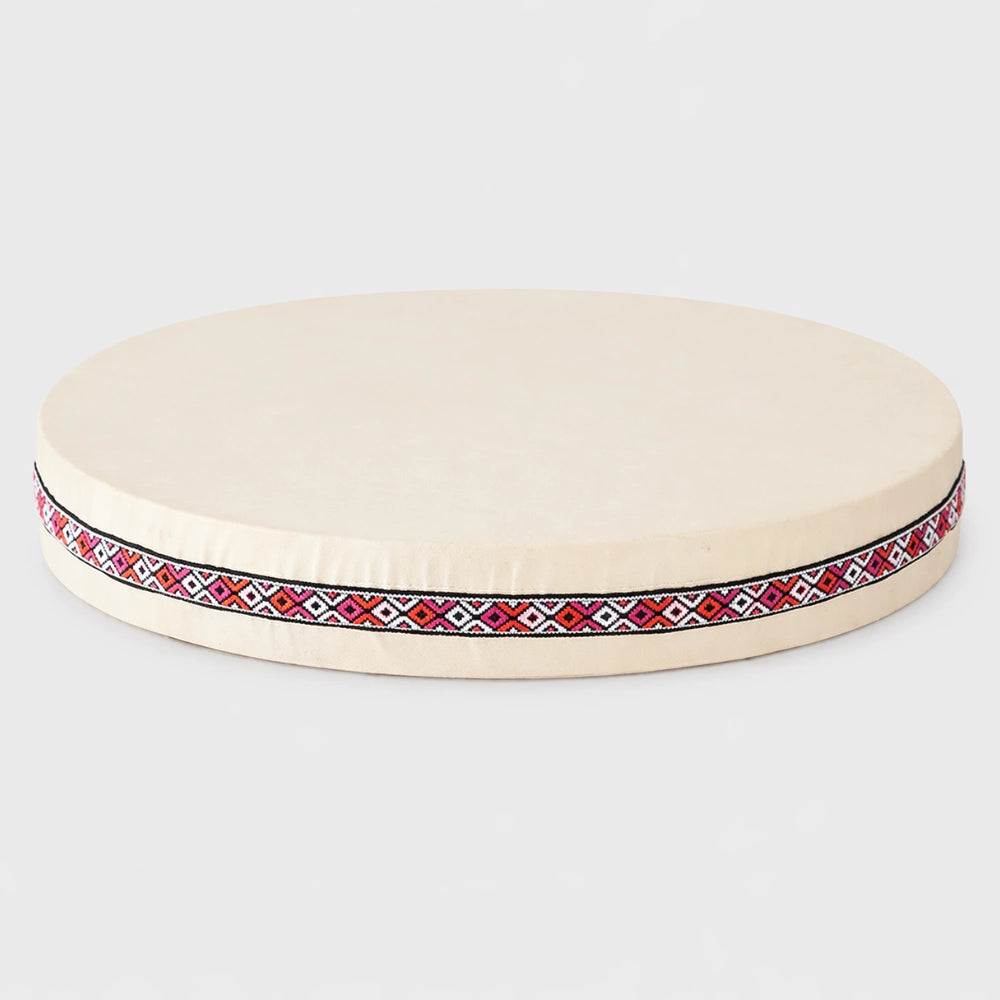
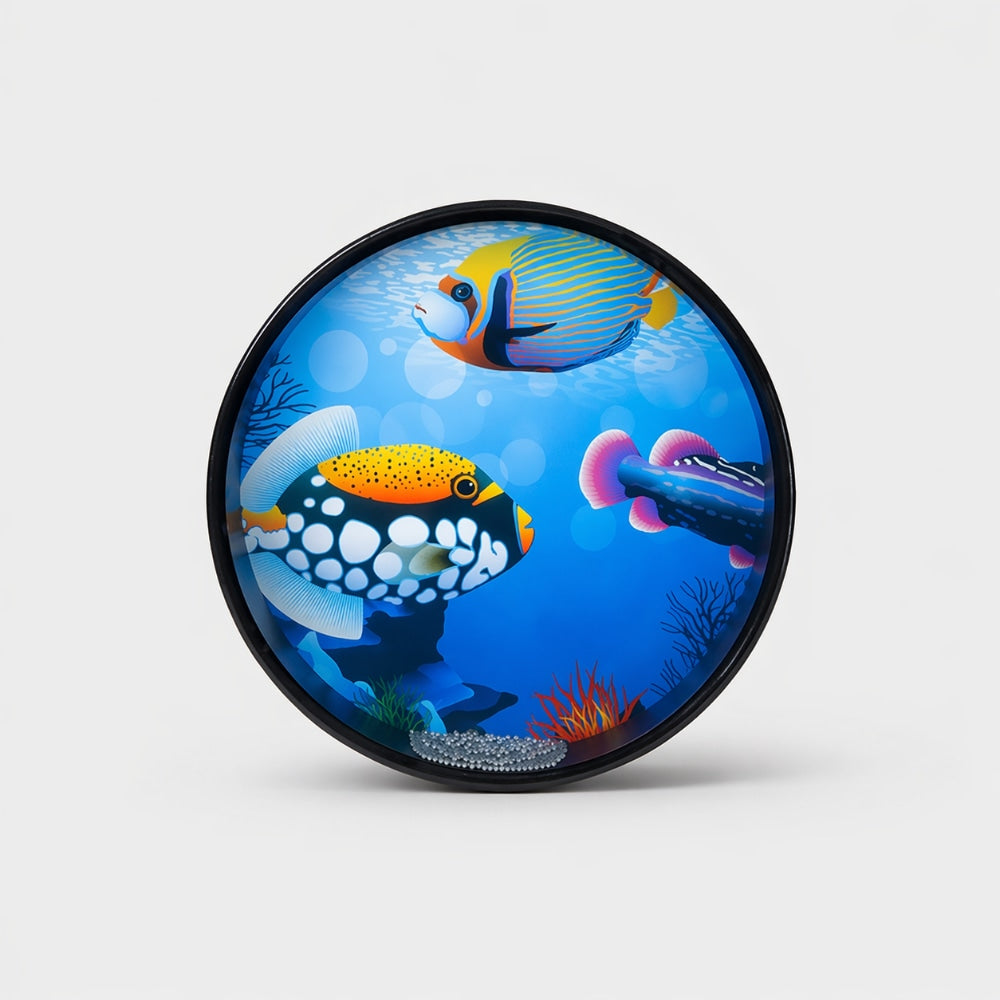
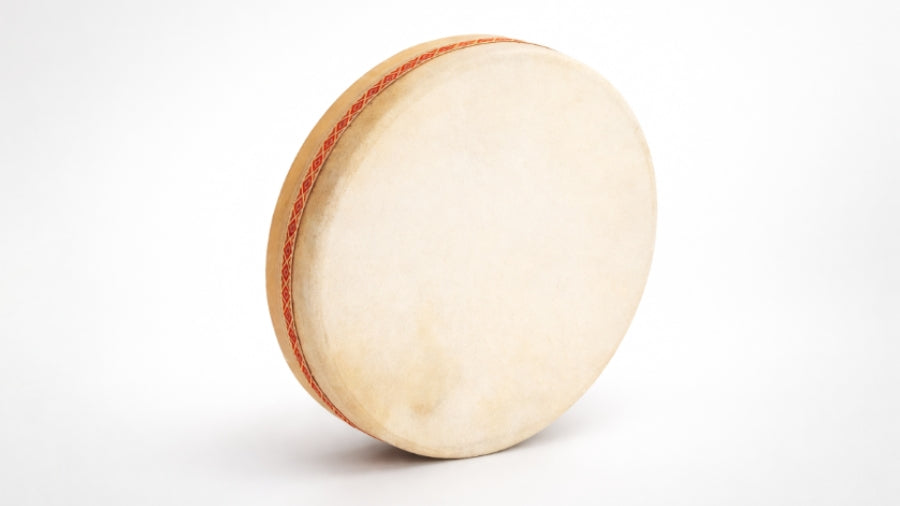
The material affects the tone and response of the drum but both animal hide and synthetic are excellent options when well made. Animal hide produces a warmer sound, while synthetic creates a brighter tone and offers greater durability. In the past, animal hide was often considered superior, but modern synthetic materials now perform just as well. Both are valid choices.
Animal hide does require more care, as it can be sensitive to heat and humidity and may need occasional maintenance. Synthetic materials are more stable and low-maintenance, making them easier to manage in different environments.
What Makes a Good Ocean Drum?
A good ocean drum should produce a smooth consistent wave sound without harsh or uneven noise. The beads should move evenly across the surface, allowing you to control the sound with small natural movements. Large well-balanced drums are easier to play and produce more realistic results.
Learn to Play the Ocean Drum

The Complete Ocean Drummer takes you from understanding your instrument to confidently playing it, covering ocean drum sizes, sounds, playing techniques, rhythms, practice exercises and more in one complete guide.
Download The Complete Ocean Drummer →
Ocean Drum – Frequently Asked Questions
what are some tips for choosing an ocean drum?
Choose a large drum for easier control, check that the beads move smoothly (no sticking or rattling), make sure the frame feels solid and balanced, and pick a drum that responds well to slow tilting and not just shaking.
What are the pros and cons of a secondhand drum?
Second-hand drums can have character but may have hidden damage or uneven sound. New drums are more reliable and consistent.
What are the best ocean drum accessories?
A carry case protects it, a stand allows hands-free use, and beaters can add light texture if needed.