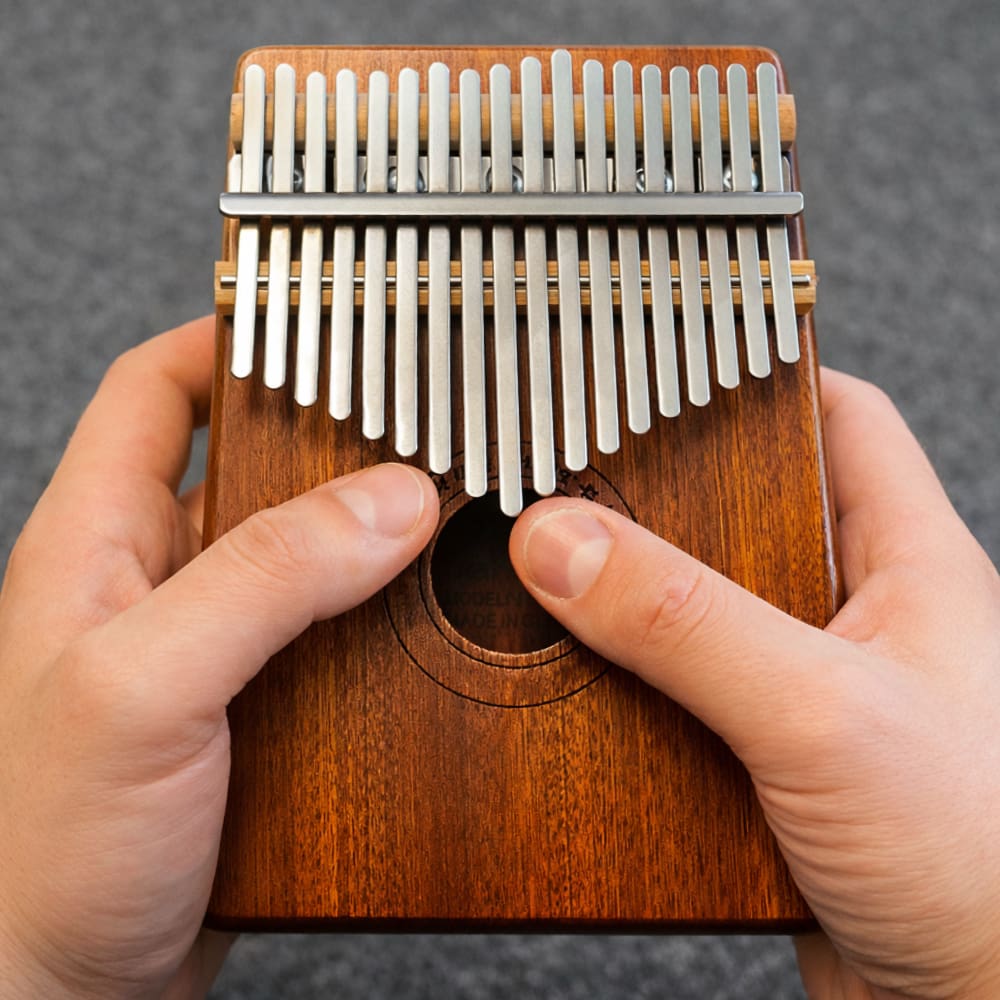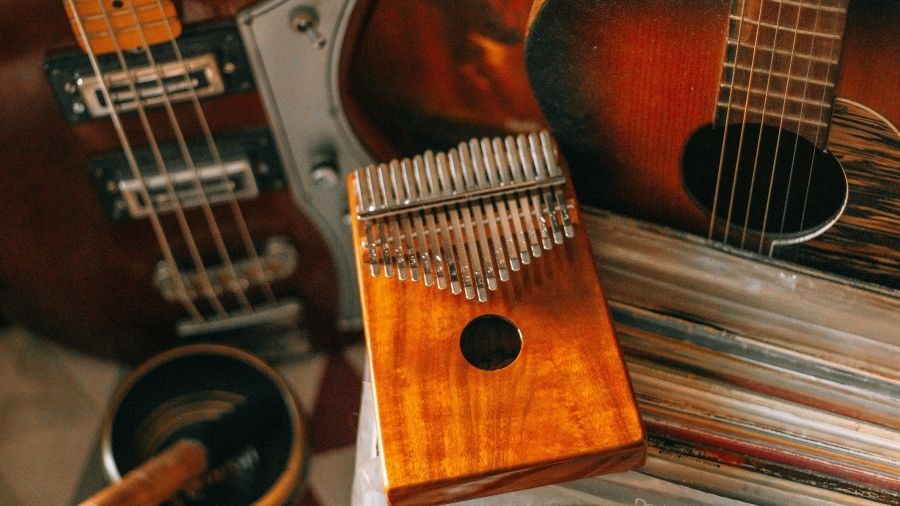
The hallmark of a quality Kalimba is its clear, sustained, meditative sound. If your instrument is producing muffled notes, annoying rattles, or a flat, dead tone, the problem is rarely fatal—it's usually one of four correctable issues. A poor-sounding Kalimba can instantly reduce a beginner’s motivation, but these problems are simple to troubleshoot. By identifying whether the issue is structural, material, or technique-based, you can quickly restore your instrument and ensure every note you play is resonant and beautiful.
The Buzzing Rattle
The most common complaint is the persistent buzz or rattle. This sound means the vibration of the tine is being interrupted, usually due to a loose tine or debris. The tine might be slightly too high off the bridge, or a tiny wood shaving has settled underneath it. To fix this buzzing sound, you will need to identify the exact buzzing tine.
Use a piece of firm paper or a small cleaning tool to slide underneath the tine, clearing the debris. If the buzz persists, use your tuning hammer to tap the tine down slightly (to seat it firmly) and then tap it back up to its correct pitch. This reseats the metal and eliminates the rattle.
The Dull, Muffled Tone
If your notes sound muffled or die quickly, the problem is likely thumb technique and nail length. The goal is to strike the tine sharply and quickly, like plucking a guitar string, to allow the note to vibrate freely. If your thumbnail is too short or your thumb lingers on the tine after plucking, you dampen the vibration, resulting in a dull tone. To fix this, ensure your thumbnails are slightly grown out (about 1–2mm past the tip of the finger) or use finger picks. Focus on a swift, deliberate downward motion, lifting your thumb immediately after the strike.
The Flat or Discordant Sound
The pitch of your tines shifts naturally due to changes in temperature and humidity, especially if your Kalimba has a solid wood body. If the notes are flat or sharp, the Kalimba will sound discordant, ruining the melodic quality. To fix this, the instrument needs to be tuned. Use a tuning app on your smartphone and your tuning hammer. Tap the tine upward(away from the sound hole) to raise the pitch, and tap it downward (toward the sound hole) to lower the pitch. Check your pitch after every single tap until the note is perfectly aligned.
Weak Resonance
If you have addressed all structural and technique issues and the sound is still weak, the issue might be the material itself. Cheap, mass-produced Kalimbas often use thin wood or poor-quality laminate, which severely limits the natural sound chamber’s ability to resonate. This often requires an upgrade. Look for instruments made from solid resonant woods like mahogany or acacia, or high-quality box-type Kalimbas that are engineered for maximum projection.Troubleshooting is a natural part of owning a Kalimba, and fixing these issues is the first step toward true mastery. Don't let a bad sound limit your practice or your enjoyment!
Learn to Play Kalimba Step-by-Step

Stop guessing and follow a clear step-by-step path designed for complete beginners. Instead of jumping between random tutorials, you’ll know exactly what to do from your first note. Learn how to hold the kalimba, understand how the notes work, and start playing real songs with short, focused lessons that are easy to follow and build real skill quickly. It’s a structured way to learn that saves you time, removes confusion, and helps you progress.
Access the Kalimba Starter Course →